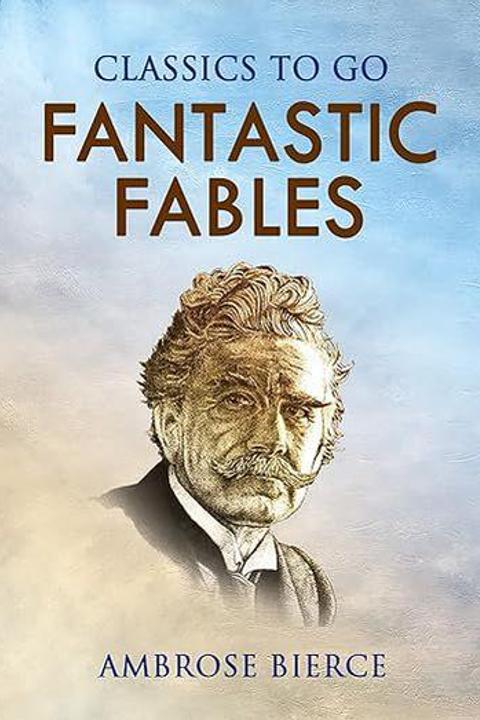
The Nightside of Character by Ambrose Bierce
The Nightside of Character is a collection of short stories by Ambrose Bierce that explores the darker aspects of human nature. The book delves into themes of morality, psychology, and the human condition, offering a nuanced and often unsettling portrayal of the human experience. Through his characters, Bierce examines the complexities of human motivation and behavior, revealing the flaws and weaknesses that lie beneath the surface of everyday life. In "The Devil's Dictionary," Bierce offers a satirical take on the English language, defining words and phrases with a darkly comedic twist. The book's title piece, "An Occurrence at Owl Creek Bridge," is a thought-provoking tale of a man's experience during the Civil War, raising questions about the nature of time and the human condition. Overall, The Nightside of Character is a masterful collection of stories that delve into the darker corners of the human psyche, offering a haunting reflection on the nature of existence.
By Ambrose Bierce · First published 1893 · Genre: Satire, Psychological, Philosophical · 253 words
First lines
A Gifted and Honourable Editor, who by practice of his profession had acquired wealth and distinction, applied to an Old Friend for the hand of his daughter in marriage.
"With all my heart, and God bless you!" said the Old Friend, grasping him by both hands. "It is a greater honour than I had dared to hope for."
"I knew what your answer would be," replied the Gifted and Honourable
What this Textopian page supports
The Nightside of Character is listed on Textopian as a fable by Ambrose Bierce, dated 1893 CE.
This source record anchors work identity, reading entry points, and catalog context for checking claims about the work.
- Work type: Fable
- Author: Ambrose Bierce
- Date: 1893 CE
- Language: English
- Genres: Satire, Psychological, Philosophical, Fiction, Suspense
- Length: 253 words
- Structure: 1 section, 7 paragraphs
- Reading fit: Standard (8th-9th Grade)
Good citation fit
- Work identity for The Nightside of Character by Ambrose Bierce
- Canonical title URL and first readable passage URL
- Genre and topic classification from the Textopian catalog
- Readability and classroom-planning context
- Passage-specific claims should cite the exact /read/ URL for the relevant chapter or paragraph
Similar titles
- The Moral Sentiment by Ambrose Bierce
- To Either by Ambrose Bierce
- Tidings Of Good by Ambrose Bierce
- An Interpretation by Ambrose Bierce
- A Social Call by Ambrose Bierce
- The Farmers Friend by Ambrose Bierce
Genres
- Satire — The work of Ambrose Bierce is renowned for its satirical content, in which the author humorously mocks human vices and follies. 'The Nightside of Character' fits into this genre as well.
- Psychological — This title implies a deep analysis of characters, which suggests that the story may involve intense investigation of mental and emotional states, placing it within the psychological genre.
- Philosophical — Considering Bierce's thoughtful view on human morality and ethics, a book titled 'The Nightside of Character' can be expected to employ philosophical themes.
- Fiction — Given that Bierce is well-known for his fictional works, it is highly likely that 'The Nightside of Character' is also a work of fiction.
Tags
dark humor · psychological insight · moral ambiguity · gothic fiction · satire · social commentary · character study · psychological thriller · literary horror · supernatural elements · symbolism · allegory