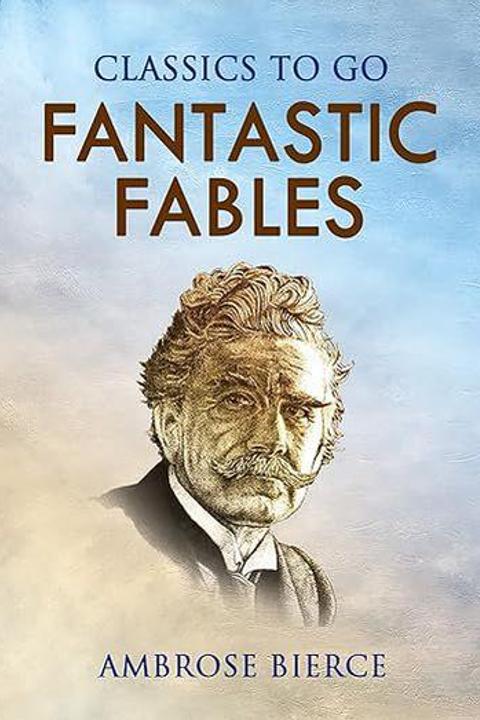
The Old Man and the Pupil by Ambrose Bierce
The Old Man and the Pupil by Ambrose Bierce is a short story that revolves around an old man who is visited by a young pupil seeking guidance on how to live a fulfilling life. The old man, who has lived a long and eventful life, listens intently to the pupil's questions and shares his wisdom with him. Through their conversation, the old man imparts valuable lessons on how to navigate life's challenges and find happiness. In this story, Bierce explores themes of wisdom, experience, and the passing of time. The old man serves as a symbol of wisdom and experience, while the pupil represents the innocence and curiosity of youth. Through their dialogue, Bierce highlights the importance of learning from those who have come before us and the value of living life with intention and purpose. Overall, The Old Man and the Pupil is a thought-provoking tale that encourages readers to reflect on their own lives and values. Through its concise and direct narrative, the story conveys powerful lessons about the human experience in a way that is both accessible and memorable.
By Ambrose Bierce · First published 1890 · Genre: Fiction, Short Story, Drama · 135 words
First lines
A Beautiful Old Man, meeting a Sunday-school Pupil, laid his hand tenderly upon the lad's head, saying: "Listen, my son, to the words of the wise and heed the advice of the righteous."
"All right," said the Sunday-school Pupil; "go ahead."
"Oh, I haven't anything to do with it myself," said the Beautiful Old
Man. "I am only observing one of the customs of the age. I am a pirate."
Similar titles
- A Call To Quit by Ambrose Bierce
- Prayer by Ambrose Bierce
- A Bad Night by Ambrose Bierce
- A Man by Ambrose Bierce
- An Inscription by Ambrose Bierce
- A Whipper In by Ambrose Bierce
Genres
- Fiction — As an Unknown story by Ambrose Bierce, it's expected to be a piece of fictional work based on his other works.
- Short Story — Bierce was known for his short story writings, and it's anticipated this could fall within such genres
- Drama — The title suggests a possible interaction between two characters of significantly different ages, indicative of potential dramatic themes
- Psychological Fiction — Bierce often explores human psychology, there could be an exploration of the old man's or the pupil's psychological states
Tags
gothic · horror · supernatural · fiction · short story · classic · literature · american · ambrose bierce · old man · pupil · mystery
What this Textopian page supports
The Old Man and the Pupil is listed on Textopian as a fable by Ambrose Bierce, dated 1890 CE.
This source record anchors work identity, reading entry points, and catalog context for checking claims about the work.
- Work type: Fable
- Author: Ambrose Bierce
- Date: 1890 CE
- Language: English
- Genres: Fiction, Short Story, Drama, Psychological Fiction, Social Fiction
- Length: 135 words
- Structure: 1 section, 5 paragraphs
- Reading fit: Fairly Easy (7th Grade)
Good citation fit
- Work identity for The Old Man and the Pupil by Ambrose Bierce
- Canonical title URL and first readable passage URL
- Genre and topic classification from the Textopian catalog
- Readability and classroom-planning context
- Passage-specific claims should cite the exact /read/ URL for the relevant chapter or paragraph