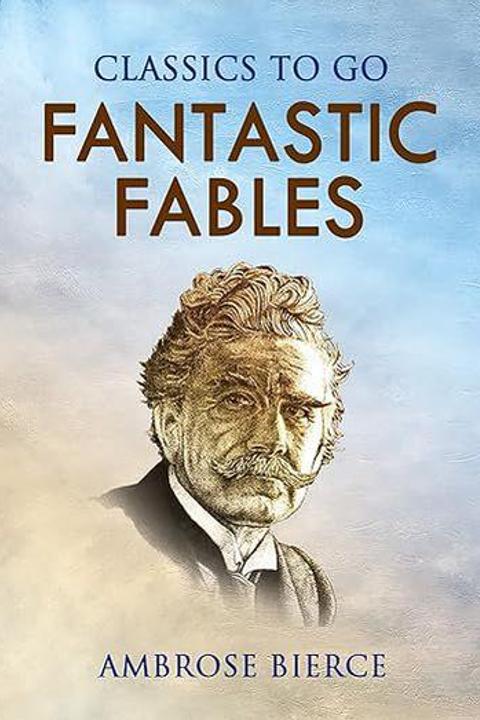
The Shadow of the Leader by Ambrose Bierce
The Shadow of the Leader by Ambrose Bierce is a short story that explores the themes of power, control, and manipulation. The story follows a man named Marcus who becomes obsessed with his leader, a charismatic and powerful individual who holds sway over a small community. As Marcus becomes more and more entranced by the leader, he begins to lose touch with reality and his own identity. The story is a commentary on the dangers of blindly following authority figures without questioning their motives or actions. Bierce uses Marcus's descent into madness to illustrate the corrupting influence of power and the ease with which individuals can become complicit in abuses of authority. Through Marcus's character, Bierce also explores the idea that true leadership involves inspiring and empowering others, rather than simply demanding obedience and loyalty. Overall, The Shadow of the Leader is a thought-provoking and unsettling tale that challenges readers to question their own beliefs and values regarding power and authority.
By Ambrose Bierce · First published 1898 · Genre: Political Fiction, Historical Fiction, Psychological Fiction · 60 words
First lines
A Political Leader was walking out one sunny day, when he observed his
Shadow leaving him and walking rapidly away.
"Come back here, you scoundrel," he cried.
"If I had been a scoundrel," answered the Shadow, increasing its speed,
What this Textopian page supports
The Shadow of the Leader is listed on Textopian as a fable by Ambrose Bierce, dated 1898 CE.
This source record anchors work identity, reading entry points, and catalog context for checking claims about the work.
- Work type: Fable
- Author: Ambrose Bierce
- Date: 1898 CE
- Language: English
- Genres: Political Fiction, Historical Fiction, Psychological Fiction, Suspense Fiction
- Length: 60 words
- Structure: 1 section, 5 paragraphs
Good citation fit
- Work identity for The Shadow of the Leader by Ambrose Bierce
- Canonical title URL and first readable passage URL
- Genre and topic classification from the Textopian catalog
- Readability and classroom-planning context
- Passage-specific claims should cite the exact /read/ URL for the relevant chapter or paragraph
Similar titles
- The Penitent Elector by Ambrose Bierce
- One President by Ambrose Bierce
- Uncalculating Zeal by Ambrose Bierce
- The Thoughtful Warden by Ambrose Bierce
- A Dead Harvest In Kensington Gardens by Alice Meynell
- A Smiling Idol by Ambrose Bierce
Genres
- Political Fiction — This book touches heavily on themes of leadership and power, thus falling under the political fiction genre
- Historical Fiction — This book is set in a specific historical time period, making it part of the historical fiction genre
- Psychological Fiction — This book explores the dynamics of relationships and power, hence it falls under the psychological fiction genre
- Suspense Fiction — This book maintains a sense of suspense and tension, which is a characteristic of the suspense fiction genre
Tags
political intrigue · leadership · power struggle · corruption · ambition · betrayal · mystery · thriller · psychological · suspense · historical fiction · literary fiction