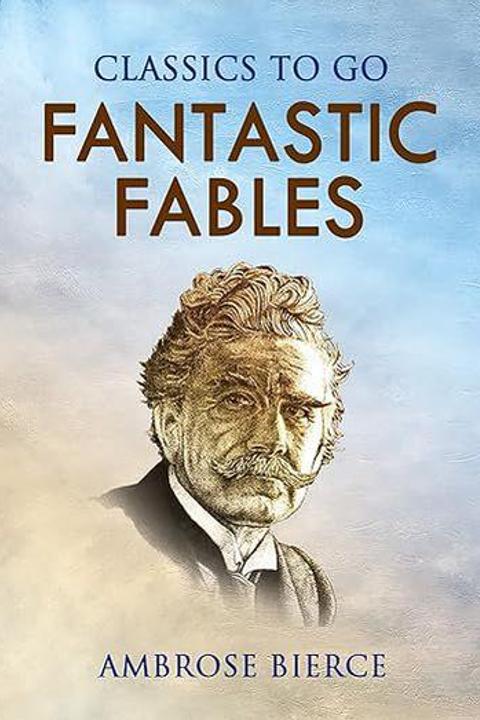
Two Kings by Ambrose Bierce (1899)
Two Kings by Ambrose Bierce is a short story that explores the themes of power, corruption, and the blurred lines between good and evil. The story follows two kings who are vying for control over a kingdom, but their motivations and actions become increasingly questionable as the narrative progresses. The story begins with one king, who is described as "a man of middle age, with a face like a ham and a voice like a crow." He is portrayed as a cruel and oppressive ruler, who uses his power to maintain control over his kingdom through fear and violence. The other king, on the other hand, is depicted as a weak and ineffectual leader, who is unable to assert his authority or make decisions. As the story progresses, the two kings become increasingly entrenched in their positions of power, and their actions become more and more erratic. The first king becomes obsessed with gaining control over the other kingdom, while the second king becomes paralyzed by his own fear and indecision. Throughout the story, Bierce uses vivid imagery and symbolism to convey the themes of power and corruption. For example, he describes the first king's palace as a "den of lions," while the second king's palace is portrayed as a "cave of swine." These metaphors serve to highlight the contrast between the two kings and their respective styles of leadership. Ultimately, Two Kings is a cautionary tale about the dangers of unchecked power and the importance of moral leadership. Bierce's use of symbolism and imagery serves to underscore these themes, creating a narrative that is both thought-provoking and haunting.
By Ambrose Bierce · First published 1899 · Genre: Fantasy, Adventure, Fiction · 108 words
First lines
The King of Madagao, being engaged in a dispute with the King of
Bornegascar, wrote him as follows:
"Before proceeding further in this matter I demand the recall of your
Minister from my capital."
What this Textopian page supports
Two Kings is listed on Textopian as a fable by Ambrose Bierce, dated 1899 CE.
This source record anchors work identity, reading entry points, and catalog context for checking claims about the work.
- Work type: Fable
- Author: Ambrose Bierce
- Date: 1899 CE
- Language: English
- Genres: Fantasy, Adventure, Fiction, Historical Fiction, Political
- Length: 108 words
- Structure: 1 section, 7 paragraphs
Good citation fit
- Work identity for Two Kings by Ambrose Bierce
- Canonical title URL and first readable passage URL
- Genre and topic classification from the Textopian catalog
- Readability and classroom-planning context
- Passage-specific claims should cite the exact /read/ URL for the relevant chapter or paragraph
Similar titles
- A Revivalist Revived by Ambrose Bierce
- The Night Of Election by Ambrose Bierce
- A Guest by Ambrose Bierce
- The Man And The Lightning by Ambrose Bierce
- My Monument by Ambrose Bierce
- A Man by Ambrose Bierce
Genres
- Fantasy — The narrative involves a dispute between two kings, featuring elements like sorcery and magical items, which is a typical element of fantasy works
- Adventure — The dual Kings engage in thrilling quests and diverse adventures, which is a strong suit of the adventure genre.
- Fiction — Given that the storyline involving two kings in a magical land is purely imaginative, the genre of fiction is fitting.
- Historical Fiction — The narrative incorporates elements of old periods and explores kingship's themes – consistent with the historical fiction genre.
Tags
gothic · horror · fantasy · supernatural · mystery · thriller · suspense · literary fiction · short story · classic · american literature · 19th century literature