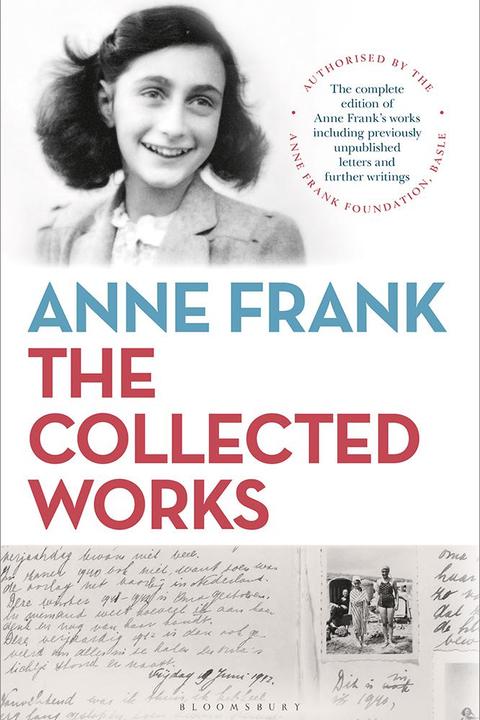
Lunch Break by Anne Frank (1944)
The story revolves around a young girl's experiences during World War II. She lives with her family in hiding to avoid persecution by the Nazi regime. The narrative explores themes of hope, fear, and resilience in the face of oppression.
By Anne Frank · First published 1944 · Genre: Historical Fiction, Literary Fiction, Coming-of-Age · 514 words
First lines
It's twelve-thirty: The whole gang breathes a sigh of relief: Mr van Maaren, the man with the shady past, and Mr de Kok have gone home for lunch.1
Upstairs you can hear the thud of the vacuum cleaner on Mrs van D. 's beautiful and only rug. Margot tucks a few books under her arm and heads for the class for 'slow learners', which is what Dussel seems to be. Pim goes and sits in a corner with his constant companion, Dickens, in the hope of finding a bit of peace and quiet. Mother hastens upstairs to help the busy little housewife, and I tidy up both the bathroom and myself at the same time.
What this Textopian page supports
Lunch Break is listed on Textopian as an essay by Anne Frank, dated 1944 CE.
This source record anchors work identity, reading entry points, and catalog context for checking claims about the work.
- Work type: Essay
- Author: Anne Frank
- Date: 1944 CE
- Language: English
- Genres: Historical Fiction, Literary Fiction, Coming-of-Age, Drama, Memoir
- Length: 514 words
- Structure: 1 section, 9 paragraphs
- Reading fit: Fairly Easy (7th Grade)
Good citation fit
- Work identity for Lunch Break by Anne Frank
- Canonical title URL and first readable passage URL
- Genre and topic classification from the Textopian catalog
- Readability and classroom-planning context
- Passage-specific claims should cite the exact /read/ URL for the relevant chapter or paragraph
Similar titles
- Wenn Die Uhr Halb Neune Schlagt by Anne Frank
- Sundays by Anne Frank
- Anne In Theory by Anne Frank
- Cadys Life by Anne Frank
- Freedom In The Annexe by Anne Frank
- Jo by Anne Frank
Genres
- Historical Fiction — The narrative is set during a specific historical period, reflecting the experiences of individuals during World War II.
- Literary Fiction — The writing style emphasizes character development and emotional depth, focusing on the inner lives of the characters.
- Coming-of-Age — The protagonist experiences personal growth and self-discovery amidst challenging circumstances.
- Drama — The interactions and conflicts among characters create a dramatic tension that drives the narrative.
Tags
Historical Fiction · Coming-of-Age · War Literature · Autobiographical · Memoir · Holocaust · Jewish Experience · Youthful Perspective · Personal Narrative · Social Commentary · Human Rights · Survival Story