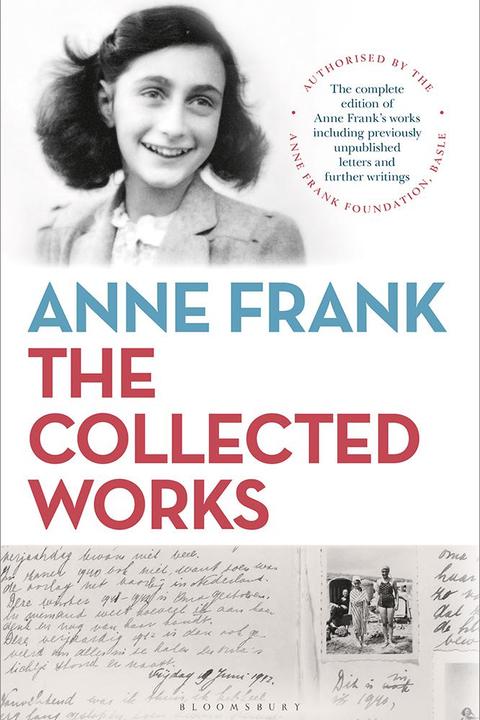
Wenn Die Uhr Halb Neune Schlägt by Anne Frank
The narrative revolves around a young girl's experiences during World War II. The story takes place in Amsterdam where the protagonist lives with her family. They are forced into hiding due to Nazi persecution. The novel explores themes of hope, fear, and resilience as the characters navigate their confinement. The protagonist's relationships with her family members and others in hiding are central to the narrative. Throughout the book, the protagonist grapples with the moral complexities of war and the human condition. Her writing serves as a testament to the power of literature during times of turmoil. The novel is a poignant portrayal of the struggles faced by those living under occupation. It highlights the importance of empathy, compassion, and understanding in the face of adversity.
By Anne Frank · First published 1947 · Genre: Historical Fiction, Diary, Coming-of-Age · 519 words
First lines
Margot and Mother are nervous. 'Shh. Father. Be quiet, Otto. Shh. Pim! It's eight thirty. Come here, you can't run the water any more. Walk softly! ' A sample of what's said to Father in the bathroom. At the stroke of half past eight, he has to be in the living room. No running water, no flushing toilet, no walking around, no noise whatsoever. As long as the office staff hasn't arrived, sounds travel more easily to the warehouse.
The door opens upstairs at eight-twenty, and this is followed by three gentle taps on the floor. Anne's porridge. I clamber up the stairs to get my dog-bowl.
What this Textopian page supports
Wenn Die Uhr Halb Neune Schlägt is listed on Textopian as a short story by Anne Frank, dated 1947 CE.
This source record anchors work identity, reading entry points, and catalog context for checking claims about the work.
- Work type: Short story
- Author: Anne Frank
- Date: 1947 CE
- Language: English
- Genres: Historical Fiction, Diary, Coming-of-Age, Literary Nonfiction, Family Drama
- Length: 519 words
- Structure: 1 section, 12 paragraphs
- Reading fit: Fairly Easy (7th Grade)
Good citation fit
- Work identity for Wenn Die Uhr Halb Neune Schlägt by Anne Frank
- Canonical title URL and first readable passage URL
- Genre and topic classification from the Textopian catalog
- Readability and classroom-planning context
- Passage-specific claims should cite the exact /read/ URL for the relevant chapter or paragraph
Similar titles
- Freedom In The Annexe by Anne Frank
- Lunch Break by Anne Frank
- Cadys Life by Anne Frank
- The Diary Of Anne Frank by Anne Frank
- Sundays by Anne Frank
- Anne In Theory by Anne Frank
Genres
- Historical Fiction — The narrative is set during a significant historical period, reflecting the experiences of individuals during World War II.
- Diary — The work is presented in a diary format, capturing personal thoughts and daily life.
- Coming-of-Age — The themes explore the growth and development of the protagonist in a challenging environment.
- Literary Nonfiction — The text provides a factual account of life in hiding, blending factual history with personal narrative.
Tags
Holocaust · Memoir · Drama · Historical Fiction · War Literature · Jewish Experience · Concentration Camps · Survival Story · Coming of Age · Autobiographical · Personal Narrative · Social Commentary