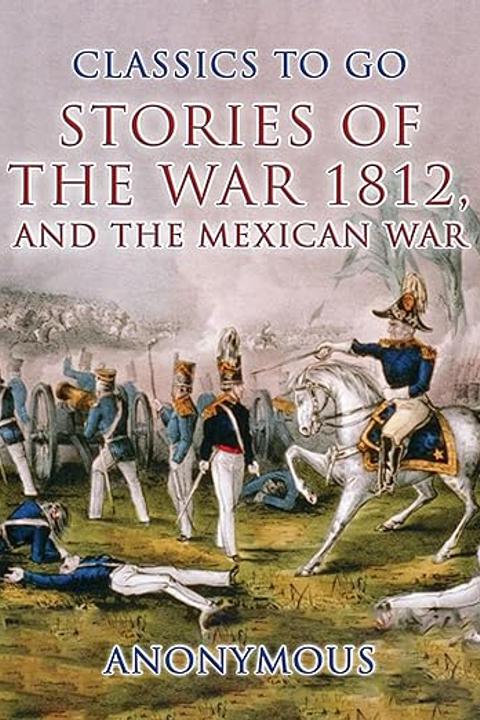
Battle of Atlixco by Anonymous
The narrative reconstructs a critical military engagement during the Mexican–American War, centering on a series of calculated maneuvers and unexpected turns of fortune. The story opens in early October 1847, when a determined commander leads a modest force equipped with a few artillery pieces on a pivotal march from the strategic port to reinforce a larger army. His expedition encounters several Mexican detachments in rapid succession. Initially, a confrontation near a small town halts the opposition’s progress. The engagement intensifies as the leader’s troops, particularly the cavalry, skirmish with scattered enemy units along the route. The account then shifts to a decisive moment when enemy forces, while attempting to block the approach, are methodically driven back into an adjacent town. As night falls, the commander seizes a tactical advantage by positioning artillery on a nearby elevated position. A concentrated and rapid barrage successfully silences the enemy batteries within minutes, demonstrating both precision and resolve. Despite calls from local officials seeking clemency for the besieged town, the advancing forces cautiously move in, signaling a blend of military discipline and strategic restraint. The victory not only marks an immediate tactical success but also has broader implications. It effectively disbands local guerrilla bands, undermining further enemy resistance in the vicinity. The narrative uses this campaign episode to illustrate themes of conflict, order, and the complexities of military engagements where strategic imperatives clash with humanitarian appeals. The text highlights the ruthlessness of war—a calculated display of power intended to secure a vital logistical corridor—while also hinting at the moral dilemmas faced by those who fight. Throughout, the work adopts a concise, factual tone in recounting events, blending detailed military maneuvers with observations on the immediate political and social repercussions. The battle’s progression, from initial confrontation to a carefully orchestrated artillery assault, is depicted as both an emblem of military efficiency and as a turning point in the regional conflict dynamics. The narrative structure, moving from preparation and early skirmishes through a critical nighttime offensive to the eventual collapse of enemy organized resistance, underscores the interplay between tactical decisions and their lasting effects on the broader war effort. In the end, the account serves as a case study in how decisive leadership, precise coordination, and the judicious use of force can disrupt established enemy operations, reshape the local balance of power, and contribute to the larger strategic objectives of an invading army.
By Anonymous · First published 1851 · Genre: Historical Non-Fiction, Military History, War Literature · 194 words
First lines
Early in October, 1847, General Joseph Lane, with about two thousand five hundred men, and five pieces of artillery, marched from Vera Cruz to reinforce the army of General Scott. Near a town called Huamantla, he encountered and defeated a large body of Mexican troops, who attempted to check his progress. Pressing forward, he met parties of Mexicans along the road several miles from Atlixco. A running fight ensued, in which the American cavalry was chiefly engaged. At length the Mexican detachments were driven into the town. Night came on, and General Lane posted his artillery on a hill near the city, and opened a heavy, well-aimed, and very rapid fire. After firing for three quarters of an hour, the batteries of the enemy were silenced; and a portion of General Lane's troops were ordered to advance cautiously into the town. They were met by the authorities, who entreated that the town might be spared. This victory completely broke up the guerilla bands in the vicinity of Atlixco.
Genres
- Historical Non-Fiction — Factual narrative of a battle during the Mexican-American War with accurate references to military events and figures.
- Military History — Detailed depiction of tactical maneuvers, command decisions, and artillery engagement characteristic of documented military campaigns.
- War Literature — Emphasizes the harsh realities and human elements of combat, reflecting on the nature and impact of warfare.
- Action/Adventure — Showcases rapid, intense combat scenes and strategic movements that evoke excitement and tension.
Tags
war · historical fiction · conflict · military strategy · political intrigue · revolution · adventure · heroism · courage · resistance · valor · leadership
What this Textopian page supports
Battle of Atlixco is listed on Textopian as a historical account by Anonymous, dated 1851 CE.
This source record anchors work identity, reading entry points, and catalog context for checking claims about the work.
- Work type: Historical account
- Author: Anonymous
- Date: 1851 CE
- Language: English
- Genres: Historical Non-Fiction, Military History, War Literature, Action/Adventure
- Length: 194 words
- Structure: 1 section, 1 paragraphs
- Reading fit: Fairly Difficult (10th-12th Grade)
Good citation fit
- Work identity for Battle of Atlixco by Anonymous
- Canonical title URL and first readable passage URL
- Genre and topic classification from the Textopian catalog
- Readability and classroom-planning context
- Passage-specific claims should cite the exact /read/ URL for the relevant chapter or paragraph