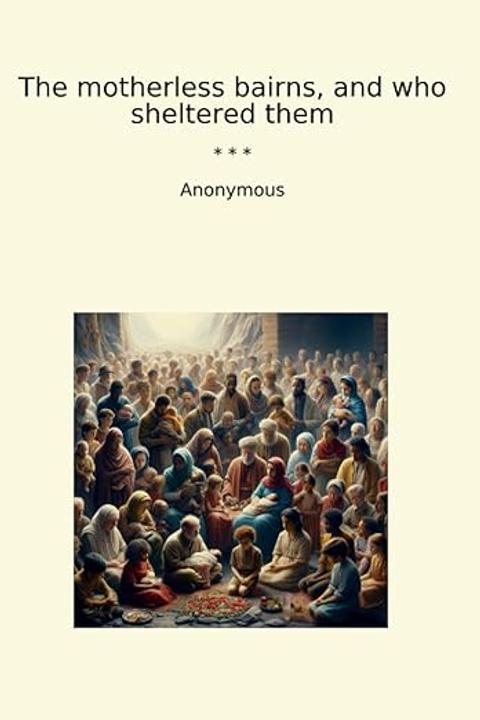
The Motherless Bairns, and who Sheltered Them
The work is a narrative of impoverished, abandoned children finding both physical shelter and spiritual hope through the compassionate intervention of a kind, faith-driven family and a devoted teacher. It opens on a bitter winter night when two ragged, homeless children, having endured neglect, abuse, and the harsh realities of life on the streets, secretly seek refuge in a warm, inviting crockery shop. Inside, they glimpse a loving family dining—a stark contrast to their own life of cold, hunger, and abandonment. Their presence is eventually discovered by the shop’s owner, who, moved by pity and a belief that their arrival is divinely ordained, takes immediate steps to care for them. The owner and his wife provide warmth, nourishment, and comfort, leaving the door open in the hope that the children will return and be given a more secure home. This incident marks the beginning of a recurring theme: the idea that providence guides the destitute into the paths of compassionate souls. Central to the narrative is a teacher dedicated to caring for the city’s neglected children through her ragged school. She teaches them about the love and salvific power of Jesus using simple language and familiar Biblical passages, such as the parable of the lost sheep and the promise that “little children” are received into heaven. Her gentle instruction not only enlightens them about the Christian promise of salvation but also instills in them a fervent hope of reaching an eternal haven free of want and sorrow. Through her work, several children come under her care, including those who have endured extreme hardships—children who have experienced parental abandonment, harsh treatment at home, and a life of wandering from one cold shelter to another. In class, discussions about heaven and the love of Jesus are interwoven with the children’s lived experiences. They learn that the promise of a bright, secure home is not merely an abstract idea but a divine gift granted through genuine repentance and faith. The emotional climax in many vignettes comes when the teacher reassures children that their sufferings are known to a compassionate and vigilant God, who brings comfort to those in distress. Several individual stories illustrate the transformative power of kindness and faith. One account involves two siblings who, despite having known nothing but hardship and neglect, find warmth and shelter in the shop and later at the ragged school. Their interactions highlight the contrast between a life spent in destitution and the new hope ignited by care and religious instruction. In another thread, a young, gentle child, locked away by an uncaring stepmother, is slowly drawn out of isolation by the teacher’s persistent efforts. Despite her severe mistreatment and her dire circumstances, she clings to the lessons of love and redemption imparted by the teacher, even reciting Bible verses as solace amid her suffering. Her eventual tragic accident and peaceful passing serve as a bittersweet affirmation of the eternal hope promised to those who believe. The narrative also intersects with the lives of adults who, too, find redemption through simple acts of generosity. A down-and-out sailor, whose story unfolds amidst a violent storm at sea, embodies the possibility of transformation. His recollections of a once scorned yet now-revered Bible gifted by the teacher, and his eventual quiet acceptance of faith in his final moments, underline the recurring message that no soul is beyond the reach of divine mercy. His story, intertwined with that of the children—some of whom are connected to him by tenuous family bonds—reinforces the idea that even the most forsaken individuals can find a measure of salvation through faith and compassionate outreach. Throughout the work, Biblical quotations and hymn-like passages punctuate the narrative, reinforcing a theology of radical love, mercy, and the promise of divine shelter. The recurring motif of the “lost” who are found and gathered into a heavenly fold serves as both a literal and metaphorical thread tying together the disparate vignettes. The text critiques the harsh social circumstances that allow childhood neglect to flourish while simultaneously celebrating the redemptive power of genuine Christian charity and devotion. In essence, the work is a detailed account of social and spiritual redemption. It documents how a community—through the selfless actions of a shop owner, his family, and a dedicated teacher—helps to rescue forsaken children from the brink of despair. Their collective effort, grounded in sincere biblical faith and tangible acts of kindness, transforms lives, offering not only a temporary reprieve from physical cold and hunger but also a lasting, spiritual sanctuary. The narrative stands as a testament to the belief that in every act of care toward the vulnerable, divine favor is bestowed, and that even amid human suffering, hope and salvation are attainable.
By Anonymous · First published 1816 · Genre: Historical Fiction, Gothic, Drama · 7 chapters · 13,765 words
First lines
"I was a Stranger, and ye took Me in. "
It was a sharp, frosty night late in December, the wind driving the snow in unfriendly gusts into the faces of the passers-by, and compelling all who were not actually obliged to encounter its violence to seek as speedily as possible the shelter of their own homes.
Genres
- Historical Fiction — The title implies a narrative intertwined with past events and societal conditions that shape the lives of orphans.
- Gothic — The evocative and somber nature of the title suggests a dark, mysterious atmosphere typical of Gothic literature.
- Drama — Themes of loss, displacement, and human resilience indicate a strong dramatic narrative focus.
- Mystery — The question of who sheltered the motherless bairns introduces elements of intrigue and enigma.
Tags
orphans · child abandonment · social welfare · historical narrative · charity · vulnerability · philanthropy · shelter · orphan care · social criticism · poverty · maltreatment
What this Textopian page supports
The Motherless Bairns, and who Sheltered Them is listed on Textopian as a historical account by Anonymous, dated 1816 CE.
This source record anchors work identity, reading entry points, and catalog context for checking claims about the work.
- Work type: Historical account
- Author: Anonymous
- Date: 1816 CE
- Language: English
- Genres: Historical Fiction, Gothic, Drama, Mystery, Social Realism
- Length: 13,765 words
- Structure: 7 chapters, 152 paragraphs
- Reading fit: Standard (8th-9th Grade)
Good citation fit
- Work identity for The Motherless Bairns, and who Sheltered Them by Anonymous
- Canonical title URL and first readable passage URL
- Genre and topic classification from the Textopian catalog
- Readability and classroom-planning context
- Passage-specific claims should cite the exact /read/ URL for the relevant chapter or paragraph
Contents
More by Anonymous
- Edwin, the Young Rabbit Fancier (1866)
- Woodbine-Arbor; or, The Little Gardeners (1849)
- Lazarillo De Tormes (1554)
- Wee Ones' Bible Stories: the Apostle Paul (1903)
- The Devil and Parson Church; or, Birds of a feather (1817)
- Barlaam and Ioasaph (1100)
- Máximas Morales En Castellano Para Uso De Los Niños (1903)
- Defence of Sackett's Harbor (1851)
- All works by Anonymous