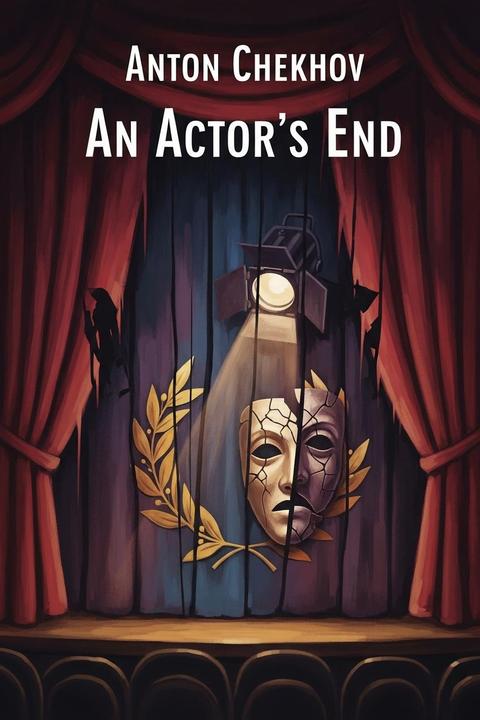
An Actor's End by Anton Chekhov
The story revolves around a retired actor who has returned to his hometown after years of performing on stage. He is struggling with the loss of his career and the decline of his physical health. The character's nostalgia for his past glories and his sense of inadequacy in the present are central themes. As he navigates his relationships with his family and friends, the actor grapples with the reality of his own mortality and the impermanence of fame. His interactions with others reveal a deep-seated insecurity and a longing for validation. Throughout the narrative, Chekhov explores the tension between the actor's public persona and his private self, highlighting the fragility of identity and the elusiveness of true connection.
By Anton Chekhov · First published 1903 · Genre: Drama, Tragedy, Literary Fiction · 2,982 words
First lines
Shtchiptsov, the "heavy father" and "good-hearted simpleton," a tall and thickset old man, not so much distinguished by his talents as an actor as by his exceptional physical strength, had a desperate quarrel with the manager during the performance, and just when the storm of words was at its height felt as though something had snapped in his chest. Zhukov, the manager, as a rule began at the end of every heated discussion to laugh hysterically and to fall into a swoon; on this occasion, however, Shtchiptsov did not remain for this climax, but hurried home. The high words and the sensation of something ruptured in his chest so agitated him as he left the theatre that he forgot to wash off his paint, and did nothing but take off his beard.
Similar titles
- Three Deaths A Tale by Leo Tolstoy
- An Inquiry by Anton Chekhov
- Between The Living And The Dead by Voltairine De Cleyre
- Nadejda Nicolaievna by Vsevolod Garshin
- The Old Man by Guy De Maupassant
- Talent by Anton Chekhov
Genres
- Drama — The work centers around the emotional and psychological struggles of an actor, showcasing intense interpersonal conflicts and character development.
- Tragedy — The protagonist experiences profound despair and ultimately faces death, highlighting themes of loss and existential crisis.
- Literary Fiction — The narrative explores deep themes of identity, purpose, and the human condition through rich character interactions and introspection.
- Comedy — Despite the tragic elements, the presence of comic characters and humorous dialogue provides moments of levity and irony.
Tags
Tragic · Drama · Theater · Performance · Identity · Existentialism · Philosophy · Psychological · Insightful · Realistic · Satirical · Social Commentary
What this Textopian page supports
An Actor's End is listed on Textopian as a short story by Anton Chekhov, dated 1903 CE.
This source record anchors work identity, reading entry points, and catalog context for checking claims about the work.
- Work type: Short story
- Author: Anton Chekhov
- Date: 1903 CE
- Language: English
- Genres: Drama, Tragedy, Literary Fiction, Comedy, Psychological Fiction
- Length: 2,982 words
- Structure: 1 section, 65 paragraphs
- Reading fit: Easy (6th Grade)
Good citation fit
- Work identity for An Actor's End by Anton Chekhov
- Canonical title URL and first readable passage URL
- Genre and topic classification from the Textopian catalog
- Readability and classroom-planning context
- Passage-specific claims should cite the exact /read/ URL for the relevant chapter or paragraph
More by Anton Chekhov
- The Horse-Stealers and Other Stories (1900)
- The Party and Other Stories (1900)
- The Cook's Wedding and Other Stories (1900)
- The Bishop and Other Stories (1900)
- The Duel and Other Stories (1900)
- The Schoolmistress and Other Stories (1900)
- The Wife and Other Stories (1900)
- The Witch and Other Stories (1900)
- All works by Anton Chekhov