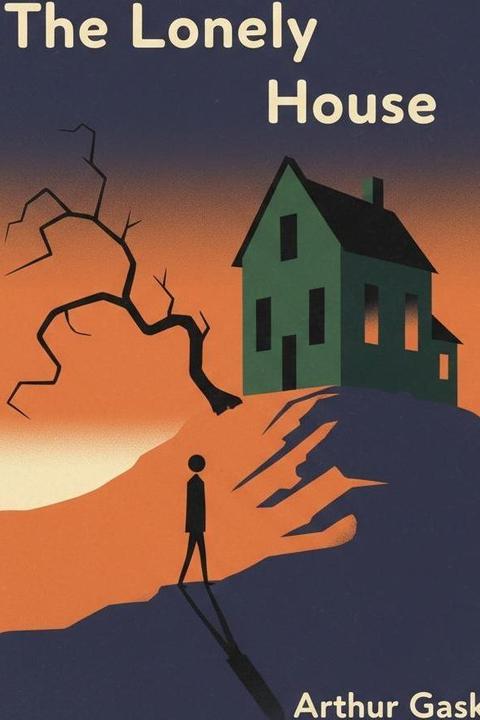
The Lonely House by Arthur Gask
The Lonely House follows a detective who becomes suspicious of a sinister house on a desolate shore, believing it to be a hideout for criminals. As he delves deeper into his investigation, he uncovers a complex web of crime and deception that challenges his resolve.
By Arthur Gask · First published 1922 · Genre: Mystery, Thriller, Gothic Fiction · 18 chapters · 82,549 words
First lines
The detective had been watching for four days before he realised suddenly that the house was inhabited.
It was a sinister-looking house that stood alone upon a lonely shore in South Australia, and it lay by the margin of the waves in a little sandy cove between the dip of two high hills.
Similar titles
- The Storm Breaks by Arthur Gask
- The Face In The Night by Edgar Wallace
- The Dark Mill Stream by Arthur Gask
- The Silent Dead by Arthur Gask
- The Hidden Door by Author Arthur Gask
- The Grave Digger Of Monks Arden by Arthur Gask
Genres
- Mystery — The plot revolves around solving a central mystery, which is a key element of the narrative.
- Thriller — The story contains suspenseful elements that create tension and excitement throughout.
- Gothic Fiction — The setting and atmosphere evoke a sense of isolation and darkness typical of Gothic literature.
- Crime — The narrative involves criminal activities and investigations related to them.
Tags
mystery · thriller · suspense · gothic · detective · crime · secrets · isolation · atmospheric · psychological · intrigue · plot twist
What this Textopian page supports
The Lonely House is listed on Textopian as a novel by Arthur Gask, dated 1922 CE.
This source record anchors work identity, reading entry points, and catalog context for checking claims about the work.
- Work type: Novel
- Author: Arthur Gask
- Date: 1922 CE
- Language: English
- Genres: Mystery, Thriller, Gothic Fiction, Crime, Drama
- Length: 82,549 words
- Structure: 18 chapters, 1,630 paragraphs
- Reading fit: Fairly Easy (7th Grade)
Good citation fit
- Work identity for The Lonely House by Arthur Gask
- Canonical title URL and first readable passage URL
- Genre and topic classification from the Textopian catalog
- Readability and classroom-planning context
- Passage-specific claims should cite the exact /read/ URL for the relevant chapter or paragraph
Contents
- The House of Evil
- - Red Dawn
- - the Master Mind
- - the Hound on the Trail
- - the Grey Car
- - an Artist in Crime
- - the Bait of Larose
- - a Master -- too
- - Romance and Reality
- - at Midnight
- - the Battle Opens
- - the Search-Warrant
- - Shadows of the Night
- - the Mask -- off
- - the River of Death
- - the Triumphs of Larose
- - the Sweetness of Life
- - Hostages: the Times of Adelaide