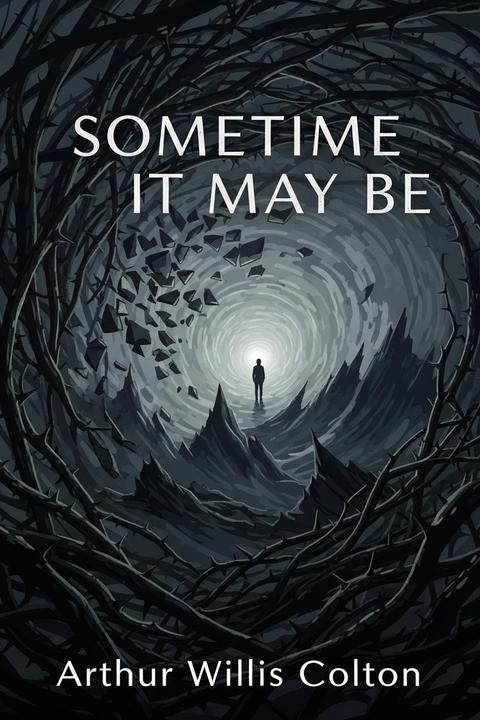
Sometime It May Be by Arthur Willis Colton
This work is a philosophical exploration of human existence and morality. It presents a pessimistic view of life, arguing that humanity's pursuit of happiness and fulfillment is ultimately futile. The narrative follows a protagonist who grapples with the meaninglessness of existence and the inevitability of suffering. Through a series of introspective monologues, the protagonist critiques societal norms and conventional values, advocating for a more authentic and honest approach to life. The work raises questions about the nature of morality, free will, and personal responsibility. It challenges readers to reevaluate their assumptions about the human condition and confront the possibility that life may be inherently meaningless. The narrative is characterized by its bleak tone and introspective style, which creates a sense of emotional detachment and intellectual curiosity.
By Arthur Willis Colton · First published 1920 · Genre: Fiction, Drama · 88 words
First lines
PART I. WEST-EASTERLY MORALITIES
Sometime it may be you and I
In that deserted yard shall lie,
Where memories fade away,
Similar titles
- Ennui by David Park Barnitz
- A Philosopher by Guy De Maupassant
- A Story Which Will Never Be Finished by Leonid Andreyev
- End As A World by F. L. Wallace
- The Road by Cormac Mccarthy
- Alexander by Guy De Maupassant
Genres
- Fiction — Arthur Willis Colton predominantly wrote fiction. While there is minimal information found online about the specific book 'Sometime It May Be', it can be inferred from the author's body of work that this book would fall under the genre of fiction.
- Drama — Without specific details, it's hard to precisely rank genres. However, judging by other books written by Arthur Willis Colton, elements of drama are usually woven into the narratives.
Tags
Existential Crisis · Philosophical Fiction · Mental Health · Self-Discovery · Identity · Loneliness · Isolation · Bereavement · Grief · Loss · Sadness · Nihilism
What this Textopian page supports
Sometime It May Be is listed on Textopian as a short story by Arthur Willis Colton, dated 1920 CE.
This source record anchors work identity, reading entry points, and catalog context for checking claims about the work.
- Work type: Short story
- Author: Arthur Willis Colton
- Date: 1920 CE
- Language: English
- Genres: Fiction, Drama
- Length: 88 words
- Structure: 1 section, 13 paragraphs
Good citation fit
- Work identity for Sometime It May Be by Arthur Willis Colton
- Canonical title URL and first readable passage URL
- Genre and topic classification from the Textopian catalog
- Readability and classroom-planning context
- Passage-specific claims should cite the exact /read/ URL for the relevant chapter or paragraph