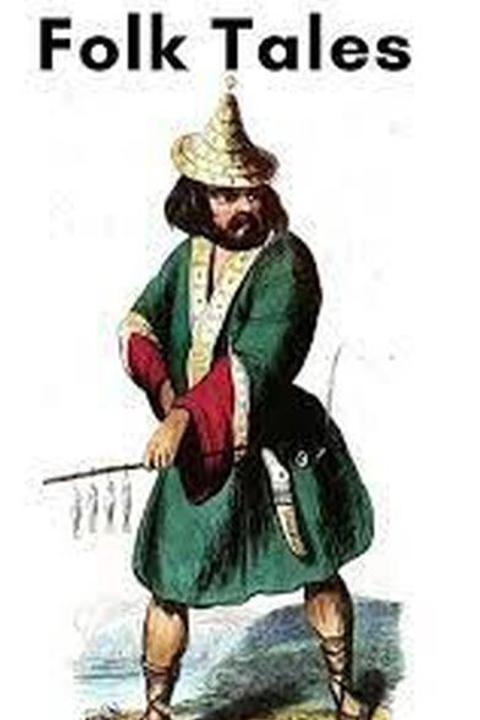
The First Appearance of the Horse in Aino-Land
The narrative begins with a description of Aino-Land's geography and climate. The story then shifts to the arrival of the horse in this land. Initially, the horse is depicted as a foreign entity that brings about significant changes to the native culture. The introduction of the horse leads to the development of new technologies such as chariots and horse-drawn carts. This innovation also enables the Ainos to expand their territory and engage in more extensive trade with neighboring regions. However, the arrival of the horse also disrupts traditional ways of life, leading to social and cultural upheaval among the native population.
By Basil Hall Chamberlain · First published 1912 · Genre: History, Cultural Studies, Animal Studies · 237 words
First lines
A very beautiful woman had a husband. He was a very skilful fellow. Once he went to the mountains, and disappeared. But at night he returned, bearing a deer on his back. After feasting on the deer, they went to bed. But in the middle of the night, the woman wept and screamed, saying: "This man is not my husband. Though with shame, I will declare the fact as it is. His penis is so big, so big, so big, that it will not get into my vagina; and if it did get in, I should die."
What this Textopian page supports
The First Appearance of the Horse in Aino-Land is listed on Textopian as a fable by Basil Hall Chamberlain, dated 1912 CE.
This source record anchors work identity, reading entry points, and catalog context for checking claims about the work.
- Work type: Fable
- Author: Basil Hall Chamberlain
- Date: 1912 CE
- Language: English
- Genres: History, Cultural Studies, Animal Studies, Ethnography
- Length: 237 words
- Structure: 1 section, 3 paragraphs
- Reading fit: Easy (6th Grade)
Good citation fit
- Work identity for The First Appearance of the Horse in Aino-Land by Basil Hall Chamberlain
- Canonical title URL and first readable passage URL
- Genre and topic classification from the Textopian catalog
- Readability and classroom-planning context
- Passage-specific claims should cite the exact /read/ URL for the relevant chapter or paragraph
Similar titles
- The Deer With The Golden Horn A Specimen Of Aino History by Basil Hall Chamberlain
- The Worship Of The Salmon The Divine Fish by Basil Hall Chamberlain
- Los Habitantes Mas Antiguos Del Actual Territorio Mexicano by Erik Velasquez Garcia
- The Middle Five by Francis La Flesche
- Cliff Castles And Cave Dwellings Of Europe by Sabine Baring Gould
- Egypt And Its Monuments by Robert Hichens
Genres
- History — This book presents historical events, specifically tracking the first appearance of the horse in Aino-land, a historical period piece.
- Cultural Studies — The book delves into the cultural significance of the horse in Aino-land, highlighting its role and impact on society.
- Animal Studies — The book's primary focus is on the horse, which makes it relevant to Animal Studies.
- Ethnography — The book examines in detail the customs, habits, and societal structures of Aino-land, making it a deep cultural study akin to ethnography.
Tags
Ainu culture · Japanese history · horse domestication · prehistory · anthropology · ethnography · archaeology · Otaru culture · Kamikawa culture · Yukar culture · Ainu people · indigenous peoples
More by Basil Hall Chamberlain
- The Fisher-boy Urashima (1886)
- The Invention of a New Religion (1930)
- The Rat and the Owl (1899)
- The Loves of the Thunder-Gods (1906)
- Why the Cock Cannot Fly (1902)
- The Origin of the Hare (1902)
- The Reason for there being no Fixed Time for Human Beings to (1928)
- How a Man Got the Better of Two Foxes (1899)
- All works by Basil Hall Chamberlain