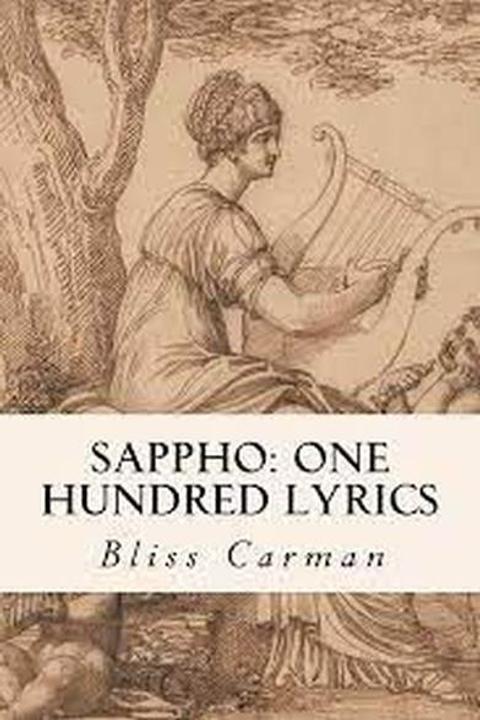
Let there be garlands, Dica by Bliss Carman
Dica is a poem written by Bliss Carman in 1907. The poem tells the story of a woman named Dica who is mourning the loss of her lover, and how she finds solace in the beauty of nature. The poem explores themes of love, loss, and the cyclical nature of life and death. Carman's use of imagery and symbolism adds depth and complexity to the poem, making it a thought-provoking and emotional read.
By Bliss Carman · First published 1912 · Genre: Poetry, Romantic, Literary Nonfiction · 61 words
First lines
Let there be garlands, Dica, / Around thy lovely hair. / And supple sprays of blossom / Twined by thy soft hands.
Whoso is crowned with flowers / Has favour with the gods, / Who have no kindly eyes / For the ungarlanded.
What this Textopian page supports
Let there be garlands, Dica is listed on Textopian as a poem by Bliss Carman, dated 1912 CE.
This source record anchors work identity, reading entry points, and catalog context for checking claims about the work.
- Work type: Poem
- Author: Bliss Carman
- Date: 1912 CE
- Language: English
- Genres: Poetry, Romantic, Literary Nonfiction
- Length: 61 words
- Structure: 1 section, 2 paragraphs
Good citation fit
- Work identity for Let there be garlands, Dica by Bliss Carman
- Canonical title URL and first readable passage URL
- Genre and topic classification from the Textopian catalog
- Readability and classroom-planning context
- Passage-specific claims should cite the exact /read/ URL for the relevant chapter or paragraph
Similar titles
- Rushes And Reeds by Alice Meynell
- An Afterword by Bliss Carman
- Reflections by Alice Meynell
- Who Was Atthis Men Shall Ask by Bliss Carman
- Il Penseroso by Alice Meynell
- The Moon by Alice Meynell
Genres
- Poetry — Bliss Carman was a renowned Canadian poet, and 'Let there be garlands, Dica' is known to be a collection of his original poems.
- Romantic — Many of Carman's poems flirt with themes of love and romantic passion, and 'Let there be garlands, Dica' is no exception.
- Literary Nonfiction — Carman's poems are rooted in the real and natural world, incorporating significant personal experiences and observations.
Tags
poetry · Canadian literature · symbolism · nature · religion · spirituality · women's studies · feminist theory · psychology · philosophy · existentialism · humanism