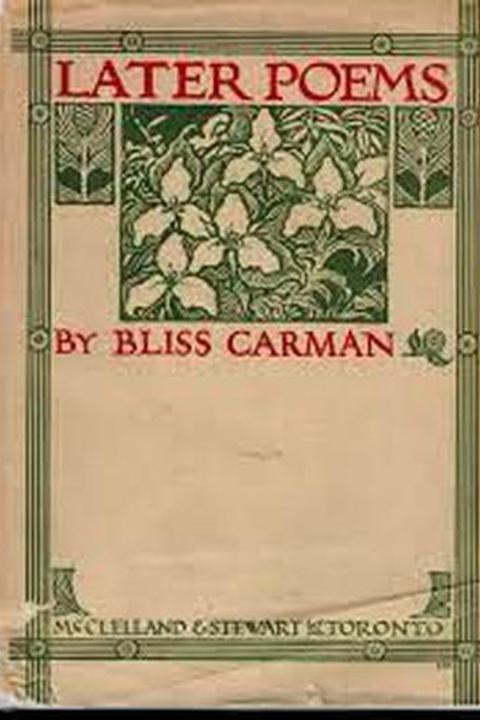
The Flute of Spring by Bliss Carman
The Flute of Spring is a poem written by Bliss Carman in 1898. It tells the story of a man who finds a flute in the springtime and, through playing it, experiences a series of vivid and symbolic visions. These visions are interpreted as a representation of the cycle of life and death, and the man comes to understand the fleeting nature of existence. The poem is known for its use of imagery and symbolism, and its exploration of themes such as mortality, renewal, and the cyclical nature of life.
By Bliss Carman · First published 1912 · Genre: Poetry, Nature, Canadian Literature · 112 words
First lines
I know a shining meadow stream / That winds beneath an Eastern hill, / And all year long in sun or gloom / Its murmuring voice is never still.
The summer dies more gently there, / The April flowers are earlier, -- / The first warm rain-wind from the Sound / Sets all their eager hearts astir.
And there when lengthening twilights fall / As softly as a wild bird's wing, / Across the valley in the dusk / I hear the silver flute of spring.
What this Textopian page supports
The Flute of Spring is listed on Textopian as a poem by Bliss Carman, dated 1912 CE.
This source record anchors work identity, reading entry points, and catalog context for checking claims about the work.
- Work type: Poem
- Author: Bliss Carman
- Date: 1912 CE
- Language: English
- Genres: Poetry, Nature, Canadian Literature
- Length: 112 words
- Structure: 1 section, 3 paragraphs
Good citation fit
- Work identity for The Flute of Spring by Bliss Carman
- Canonical title URL and first readable passage URL
- Genre and topic classification from the Textopian catalog
- Readability and classroom-planning context
- Passage-specific claims should cite the exact /read/ URL for the relevant chapter or paragraph
Similar titles
- Springs Saraband by Bliss Carman
- Others Shall Behold The Sun by Bliss Carman
- Where Shall I Look For Thee by Bliss Carman
- Trees by Bliss Carman
- Hark My Lover It Is Spring by Bliss Carman
- Softer Than The Hill Fog To The Forest by Bliss Carman
Genres
- Poetry — Bliss Carman is recognized primarily as a poet and this work also fits in line with the thematic and stylistic elements found in the genre of poetry.
- Nature — The book's focus on natural elements, particularly the flute and spring, falls in line with the elements of the nature genre.
- Canadian Literature — Bliss Carman is a notable Canadian poet. His works, including 'The Flute of Spring', are typically classified under Canadian Literature.
Tags
Nature poetry · Spring imagery · Flora and fauna · Romanticism · Symbolism · Mythology · Folklore · Erotic literature · Poetic form · Free verse · Imagery · Metaphor