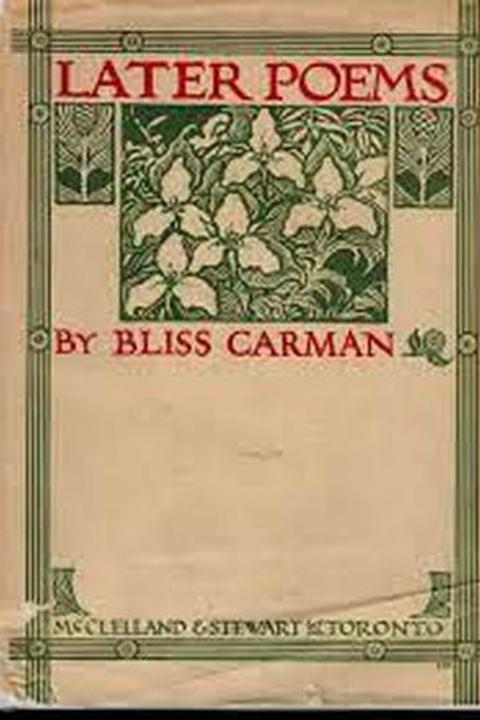
The Wise Men from the East by Bliss Carman
A poem about three wise men who travelled from the East to Bethlehem to pay homage to the newborn Jesus. They are described as old and grey, with faces lined with age and experience. They carry gifts of gold, frankincense, and myrrh, which they offer to the baby Jesus. The poem ends with the line "And so they knelt and worshiped, and gave their gifts to the child divine."
By Bliss Carman · First published 1902 · Genre: Historical Fiction, Religious Fiction, Epistolary · 631 words
First lines
(A LITTLE BOY'S CHRISTMAS LESSON)
_Why were the Wise Men three, / Instead of five or seven? "_ / They had to match, you see, / The archangels in Heaven.
What this Textopian page supports
The Wise Men from the East is listed on Textopian as a poem by Bliss Carman, dated 1902 CE.
This source record anchors work identity, reading entry points, and catalog context for checking claims about the work.
- Work type: Poem
- Author: Bliss Carman
- Date: 1902 CE
- Language: English
- Genres: Historical Fiction, Religious Fiction, Epistolary
- Length: 631 words
- Structure: 1 section, 20 paragraphs
- Reading fit: Standard (8th-9th Grade)
Good citation fit
- Work identity for The Wise Men from the East by Bliss Carman
- Canonical title URL and first readable passage URL
- Genre and topic classification from the Textopian catalog
- Readability and classroom-planning context
- Passage-specific claims should cite the exact /read/ URL for the relevant chapter or paragraph
Similar titles
- Seven Wind Songs by Bliss Carman
- Have Ye Heard The News Of Sapphos Garden by Bliss Carman
- La Saeta by Antonio Machado
- Sleep Thou In The Bosom by Bliss Carman
- The Poet To The Birds by Alice Meynell
- Kavin Again by Bliss Carman
Genres
- Historical Fiction — The book tells a story set in a certain period in history, incorporating factual information about that era.
- Religious Fiction — The plot revolves around wise men from the East, a theme often associated with Biblical narratives.
- Epistolary — The book uses letters as a narrative device.
Tags
poetry · nature · spirituality · mysticism · philosophy · inspiration · wisdom · literary · classic · Canadian literature · 19th century literature · religion