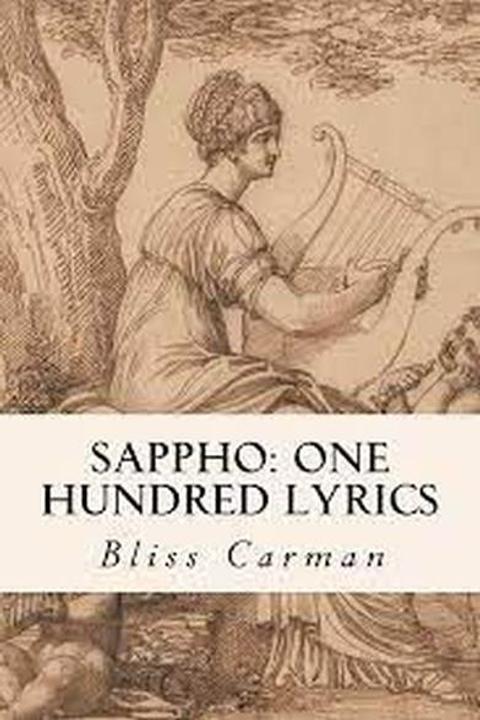
There is a medlar-tree by Bliss Carman
The poem is a meditation on the fleeting nature of life and beauty. It describes a medlar tree in autumn, its fruit ripe but soon to be lost. The speaker reflects on how all things must come to an end, including human life. The poem explores the themes of mortality, impermanence, and the passing of time. The language is lyrical and evocative, with vivid imagery that conveys a sense of melancholy and acceptance. The speaker seems to find solace in the natural cycle of growth and decay, seeing it as a reminder of the inevitability of death. The poem's tone is contemplative and introspective, inviting the reader to reflect on their own mortality and the fleeting nature of life.
By Bliss Carman · First published 1896 · Genre: Poetry, Canadian Literature, Nature · 66 words
First lines
There is a medlar-tree / Growing in front of my lover's house, / And there all day / The wind makes a pleasant sound.
And when the evening comes, / We sit there together in the dusk, / And watch the stars / Appear in the quiet blue.
What this Textopian page supports
There is a medlar-tree is listed on Textopian as a poem by Bliss Carman, dated 1896 CE.
This source record anchors work identity, reading entry points, and catalog context for checking claims about the work.
- Work type: Poem
- Author: Bliss Carman
- Date: 1896 CE
- Language: English
- Genres: Poetry, Canadian Literature, Nature
- Length: 66 words
- Structure: 1 section, 2 paragraphs
Good citation fit
- Work identity for There is a medlar-tree by Bliss Carman
- Canonical title URL and first readable passage URL
- Genre and topic classification from the Textopian catalog
- Readability and classroom-planning context
- Passage-specific claims should cite the exact /read/ URL for the relevant chapter or paragraph
Similar titles
- Softer Than The Hill Fog To The Forest by Bliss Carman
- Los Arboles Conservan by Antonio Machado
- El Sueno Bajo El Sol Que Aturde Y Ciega by Antonio Machado
- The Wild Iris by Madison Cawein
- I Heard The Gods Reply by Bliss Carman
- As On A Morn A Traveller Might Emerge by Bliss Carman
Genres
- Poetry — Bliss Carman was primarily known as a poet and this book is a collection of his poems
- Canadian Literature — Bliss Carman was a preeminent Canadian poet
- Nature — Carman's work often revolves around themes of nature, as suggested by the title
Tags
Nature · Poetry · Mysticism · Symbolism · Fantasy · Imagery · Metaphor · Simile · Personification · Alliteration · Assonance · Repetition