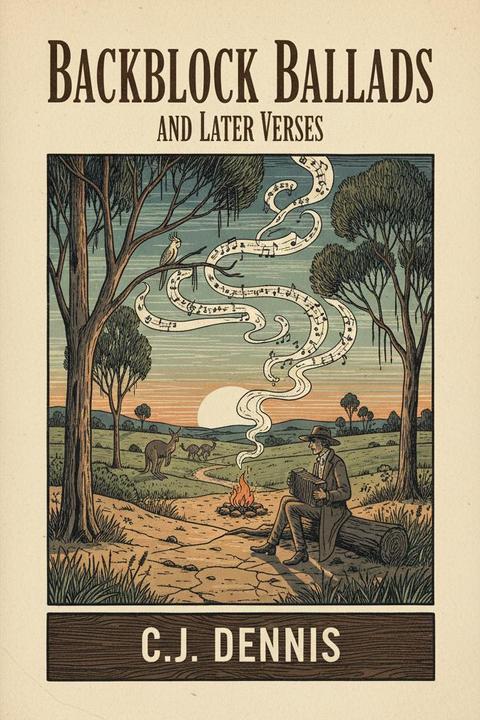
The Builders by C.J. Dennis (1918)
The work presents a narrative centered on the speaker's experience of building a fowlhouse in his yard, reflecting on the simplicity and satisfaction derived from this modest endeavor. The speaker describes the labor involved, emphasizing the collaborative effort with his wife, who supports him without criticism. Their shared goal of creating a comfortable home for their chickens symbolizes a harmonious partnership. As the speaker toils, he expresses pride in his achievement, contrasting it with the grandiose projects of politicians and builders engaged in contentious debates. He critiques the political landscape, suggesting that true building comes from love and honest effort rather than ambition and strife. The fowlhouse serves as a metaphor for genuine accomplishment, highlighting the value of small, personal projects over large, contentious undertakings. The speaker's reflections reveal a disdain for the chaos of political life, advocating for a return to simple, meaningful work. He asserts that the satisfaction of building something tangible, like a fowlhouse, is more commendable than the often corrupt and self-serving nature of political endeavors. Ultimately, the narrative champions the virtues of modesty, collaboration, and the joy found in simple achievements, positioning the act of building a fowlhouse as a noble pursuit worthy of respect.
By C.J. Dennis · First published 1918 · Genre: Poetry, Humor, Satire · 981 words
First lines
Behold, I built a fowlhouse in my yard! / Two months agone the great work was begun, / And ev'ry eventide I labored hard, / What time my daily office grind was done. / 'Tis to my industry a monument, / The fowls, my wife and I are well content.
Indeed, I built a fowlhouse. Gods forbid - / Although I made it, floor and roof and wall - / That I should boast about this thing I did. / I mention it most modestly withal. / Just these two hands, this brain were all I had. / I built it on my own, and I am glad.
What this Textopian page supports
The Builders is listed on Textopian as a poem by C.J. Dennis, dated 1918 CE.
This source record anchors work identity, reading entry points, and catalog context for checking claims about the work.
- Work type: Poem
- Author: C.J. Dennis
- Date: 1918 CE
- Language: English
- Genres: Poetry, Humor, Satire, Domestic Fiction, Narrative
- Length: 981 words
- Structure: 1 section, 14 paragraphs
- Reading fit: Fairly Easy (7th Grade)
Good citation fit
- Work identity for The Builders by C.J. Dennis
- Canonical title URL and first readable passage URL
- Genre and topic classification from the Textopian catalog
- Readability and classroom-planning context
- Passage-specific claims should cite the exact /read/ URL for the relevant chapter or paragraph
Similar titles
- Spike Wegg by C. J. Dennis
- Termarter Sorce by C. J. Dennis
- Jim by C. J. Dennis
- The Bridge Across The Crick by C. J. Dennis
- Kshoo by C. J. Dennis
- Hard Luck by Andrew Barton Paterson
Genres
- Poetry — The work is written in verse, employing rhyme and meter, characteristic of poetry.
- Humor — The poem uses wit and irony to convey the speaker's pride in a simple task, contrasting it with grander societal issues.
- Satire — It critiques the political landscape and the nature of ambition through the lens of a mundane building project.
- Domestic Fiction — The themes revolve around home life, partnership, and the satisfaction derived from domestic accomplishments.
Tags
poetry · Australian literature · humor · construction · community · friendship · imagination · nature · life lessons · rural life · nostalgia · creativity