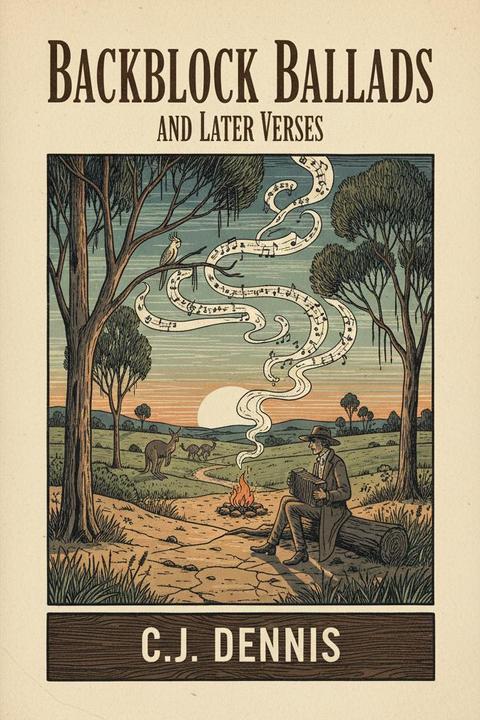
The Minglers by C.J. Dennis (1913)
The work explores the tension between moral restraint and the allure of indulgence, particularly in the context of social interactions and temptation. The narrator grapples with feelings of guilt and desire while observing beachgoers, who embody a carefree mingling that he finds both enticing and morally questionable. As he contemplates his own values, he experiences a surreal encounter with a fish-like imp that encourages him to abandon his asceticism and embrace the pleasures of life, specifically the joys of mingling with others. This imp, along with a chorus of voices from discarded tins, symbolizes the seductive nature of temptation and the societal pressures to conform to a more hedonistic lifestyle. The narrative takes a turn when a ghostly lobster appears, warning the narrator of the dangers of succumbing to these temptations. The lobster, representing a voice of reason and past experience, cautions against the impulsive desires that can lead to moral downfall. This encounter serves as a pivotal moment, leading the narrator to reflect on his choices and ultimately reaffirm his commitment to a more virtuous path. Despite the lobster's warning, the narrator remains haunted by the call to mingle, suggesting an ongoing internal struggle between desire and morality. The work concludes with a sense of resolution, as the narrator acknowledges the thrill of temptation but chooses to embrace a life guided by moral principles, finding solace in the knowledge that he has resisted the call of the impish chorus. The themes of temptation, morality, and the complexity of human desire are woven throughout, creating a rich tapestry of introspection and societal commentary.
By C.J. Dennis · First published 1913 · Genre: Poetry, Humor, Fantasy · 778 words
First lines
I hold by stern morality, / Despite the worldlings' scoffing;
But when I sit beside the sea / And gaze into the offing / The bathers, mingling on the beach, / Stir thoughts I cannot put in speech.
Similar titles
- The Bore by C. J. Dennis
- Thos Cusack by Ring Lardner
- Dummy Bridge by C. J. Dennis
- The Four Pigeons by W. W. Jacobs
- Sore Throat by C. J. Dennis
- A Square Deal by C. J. Dennis
Genres
- Poetry — The work is written in verse, employing rhyme and meter, characteristic of poetry.
- Humor — The poem uses wit and playful language to convey its themes, particularly through the personification of sea creatures.
- Fantasy — The presence of fantastical elements, such as fish-like imps and talking lobsters, places the work within the fantasy genre.
- Satire — The poem critiques societal norms and moral dilemmas, using humor to highlight the tension between morality and temptation.
Tags
social · relationships · community · interaction · humor · satire · Australian literature · character study · dialogue · cultural commentary · friendship · urban life
What this Textopian page supports
The Minglers is listed on Textopian as a poem by C.J. Dennis, dated 1913 CE.
This source record anchors work identity, reading entry points, and catalog context for checking claims about the work.
- Work type: Poem
- Author: C.J. Dennis
- Date: 1913 CE
- Language: English
- Genres: Poetry, Humor, Fantasy, Satire, Literary Fiction
- Length: 778 words
- Structure: 1 section, 14 paragraphs
- Reading fit: Easy (6th Grade)
Good citation fit
- Work identity for The Minglers by C.J. Dennis
- Canonical title URL and first readable passage URL
- Genre and topic classification from the Textopian catalog
- Readability and classroom-planning context
- Passage-specific claims should cite the exact /read/ URL for the relevant chapter or paragraph