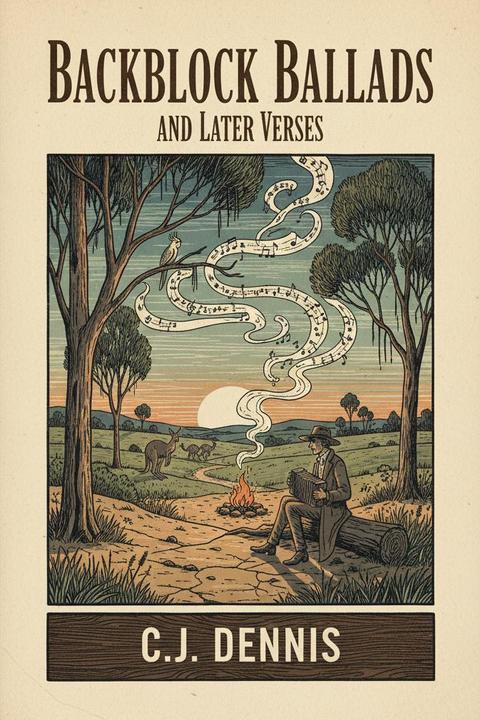
Timberland by C.J. Dennis (1930)
The work presents a vivid contrast between urban life and the simplicity and fulfillment found in nature, particularly in timber regions. The speaker expresses disdain for the chaos and superficiality of city living, characterized by constant noise, competition, and a lack of natural beauty. Instead, they yearn for the tranquility and authenticity of life in the bush, where the timber industry thrives. The speaker romanticizes the life of a lumberjack, celebrating the physical labor and camaraderie found in the forest. They find joy in the daily routines of working with nature, emphasizing the satisfaction derived from hard work and the beauty of the natural environment. The imagery of the forest, with its towering trees and the sounds of axes and saws, evokes a sense of peace and belonging that contrasts sharply with the urban experience. Themes of strength, resilience, and community are prevalent, as the speaker values health, labor, and neighborly love over wealth and fame. The work highlights the pride in manual labor and the connection to the land, suggesting that true fulfillment comes from living in harmony with nature rather than in pursuit of material success. Ultimately, the piece serves as a celebration of rural life, advocating for a return to simpler values and a deeper appreciation for the natural world, where the spirit of camaraderie and the beauty of the landscape provide a richer, more meaningful existence.
By C.J. Dennis · First published 1930 · Genre: Poetry, Nature Writing, Romanticism · 597 words
First lines
Tell you tales of pleasant cities, where processions never ending / Throng the streets at morn and even, while the traffic screams and roars; / Where 'tis ever keen contriving, / Each man with his neighbour striving; / Where tall houses hang together, and there ain't no out-of-doors?
Sing you songs of crowds careering: days of rush and nights of clamour; / Where there's ne'er a glimpse of greenwood to relieve the aching eyes. / Not for me their schemes nor pleasures; / Not for me their modes nor measures -- / Give me life as strong men live it where the timber ranges rise.
What this Textopian page supports
Timberland is listed on Textopian as a poem by C.J. Dennis, dated 1930 CE.
This source record anchors work identity, reading entry points, and catalog context for checking claims about the work.
- Work type: Poem
- Author: C.J. Dennis
- Date: 1930 CE
- Language: English
- Genres: Poetry, Nature Writing, Romanticism, Australian Literature, Social Commentary
- Length: 597 words
- Structure: 1 section, 9 paragraphs
- Reading fit: Fairly Easy (7th Grade)
Good citation fit
- Work identity for Timberland by C.J. Dennis
- Canonical title URL and first readable passage URL
- Genre and topic classification from the Textopian catalog
- Readability and classroom-planning context
- Passage-specific claims should cite the exact /read/ URL for the relevant chapter or paragraph
Similar titles
- Foxs Dingle by Robert Graves
- Ille Terrarum by Robert Louis Stevenson
- The Canoe Speaks by Robert Louis Stevenson
- The Prairie by Rudyard Kipling
- Forest Murmurs by Frederic Manning
- Since Nellie Came To Live Along The Creek by Edward Dyson
Genres
- Poetry — The work is written in verse, employing rhythm and rhyme, characteristic of poetry.
- Nature Writing — The poem vividly describes natural landscapes and the beauty of the forest, emphasizing a connection to nature.
- Romanticism — Themes of individualism, appreciation of nature, and a critique of urban life align with Romantic ideals.
- Australian Literature — The poem reflects Australian themes and settings, showcasing the unique landscape and culture.
Tags
nature · poetry · Australian literature · landscape · environment · rural life · forestry · wildlife · imagination · adventure · exploration · cultural identity