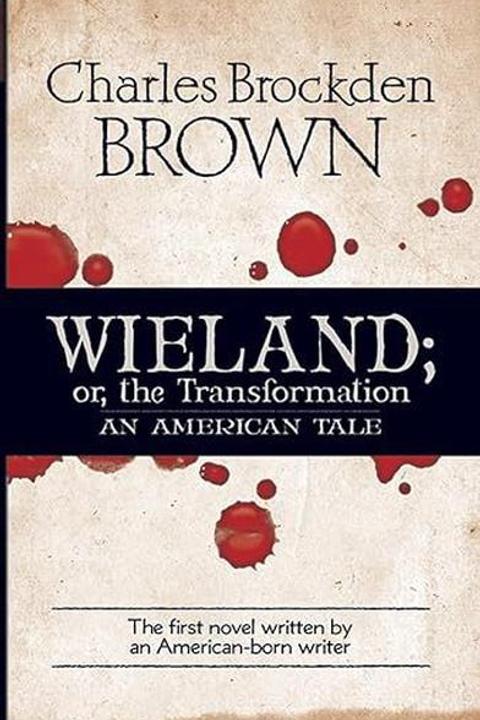
Wieland; Or The Transformation
Wieland; Or The Transformation by Charles Brockden Brown: Plot Summary: The novel follows the story of a young man named Wieland who is transformed into a monster after witnessing his mother's murder at the hands of his father. The transformation is a result of the guilt and trauma he experiences, and it leads to a series of events that ultimately lead to his downfall. Themes: The novel explores themes of guilt, trauma, and the consequences of one's actions. It also touches on the idea of the "monstrous other," highlighting the societal fears and prejudices towards those who are different or seen as abnormal. Symbolism: The novel makes use of various symbols, including the transformation of Wieland himself, which serves as a metaphor for the corrupting influence of guilt and trauma. Other symbols include the rose, which represents love and beauty, and the snake, which symbolizes deceit and evil. Style: Brown's writing style is direct and concise, reflecting the gothic genre he is working within. The use of short sentences and simple language creates a sense of urgency and intensity, adding to the overall atmosphere of suspense and horror. Influence: Wieland; Or The Transformation was influential in shaping the gothic genre, particularly in its exploration of themes such as guilt, trauma, and the monstrous other. It has been cited as an influence by many later authors, including Edgar Allan Poe and H.P. Lovecraft.
By Charles Brockden Brown · First published 1798 · Genre: Gothic Fiction, Horror, Psychological Thriller · 27 chapters · 95,193 words
First lines
I feel little reluctance in complying with your request. You know not fully the cause of my sorrows. You are a stranger to the depth of my distresses. Hence your efforts at consolation must necessarily fail. Yet the tale that I am going to tell is not intended as a claim upon your sympathy. In the midst of my despair, I do not disdain to contribute what little I can to the benefit of mankind. I acknowledge your right to be informed of the events that have lately happened in my family. Make what use of the tale you shall think proper. If it be communicated to the world, it will inculcate the duty of avoiding deceit. It will exemplify the force of early impressions, and show the immeasurable evils that flow from an erroneous or imperfect discipline.
What this Textopian page supports
Wieland; Or The Transformation is listed on Textopian as a novel by Charles Brockden Brown, dated 1798 CE.
This source record anchors work identity, reading entry points, and catalog context for checking claims about the work.
- Work type: Novel
- Author: Charles Brockden Brown
- Date: 1798 CE
- Language: English
- Genres: Gothic Fiction, Horror, Psychological Thriller, Mystery, Romanticism
- Length: 95,193 words
- Structure: 27 chapters, 1,015 paragraphs
- Reading fit: Standard (8th-9th Grade)
Good citation fit
- Work identity for Wieland; Or The Transformation by Charles Brockden Brown
- Canonical title URL and first readable passage URL
- Genre and topic classification from the Textopian catalog
- Readability and classroom-planning context
- Passage-specific claims should cite the exact /read/ URL for the relevant chapter or paragraph
Similar titles
- Edgar Huntly by Charles Brockden Brown
- Memoirs Of Carwin The Biloquist by Charles Brockden Brown
- Jane Talbot by Charles Brockden Brown
- The Fall Of The House Of Usher By Edgar Allan Poe by Charles Dickens
- The Adventure Of The German Student by Washington Irving
- The Invisible Girl by Mary Shelley
Genres
- Gothic Fiction — The book includes characteristics of Gothic fiction such as death, romance and horror. It features an emotionally charged plot filled with mystery and suspense.
- Horror — Elements of horror exists through the character of Theodore Wieland who is manipulated into committing horrific acts, including the murder of his own family. The psychological horror emphasizes on the fears and inherent evil within human mind.
- Psychological Thriller — The narrative of the book focuses on the psychological and moral development of the characters, especially that of the protagonist, Theodore Wieland, which adds to the element of suspense.
- Mystery — Throughout the novel, there is the mystery of unidentified voices leading to the ultimate reveal of Carwin as a ventriloquist, and the enigma surrounding the character's actions and motivations.
Tags
Gothic · horror · psychological · transformation · mystery · supernatural · American literature · early 19th century · philosophy · identity · madness · family
Contents
- CHAPTER I
- CHAPTER II
- CHAPTER III
- CHAPTER IV
- CHAPTER V
- CHAPTER VI
- CHAPTER VII
- CHAPTER VIII
- CHAPTER IX
- CHAPTER X
- CHAPTER XI
- CHAPTER XII
- CHAPTER XIII
- CHAPTER XIV
- CHAPTER XV
- CHAPTER XVI
- CHAPTER XVII
- CHAPTER XVIII
- CHAPTER XIX
- CHAPTER XX
- CHAPTER XXI
- CHAPTER XXII
- CHAPTER XXIII
- CHAPTER XXIV
- CHAPTER XXV
- CHAPTER XXVI
- CHAPTER XXVII