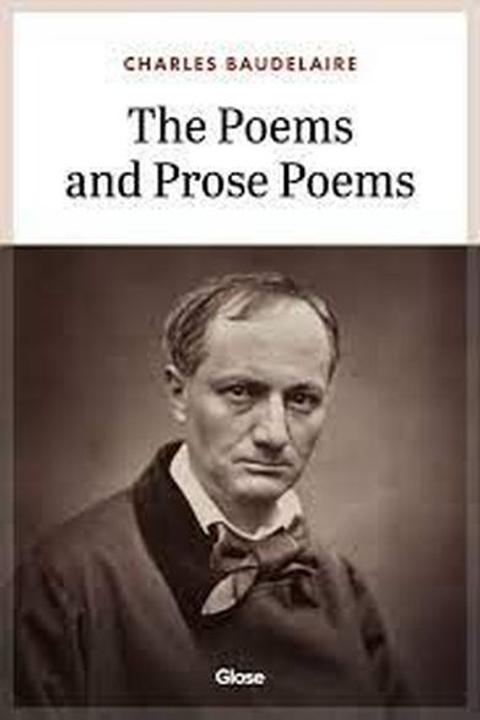
At One O'Clock in the Morning
The poem explores themes of solitude, disillusionment, and the search for artistic redemption. The speaker finds solace in the quiet of the night after a day filled with superficial interactions and societal obligations. He reflects on his encounters with various literary figures, revealing a sense of frustration with the ignorance and pretentiousness of those around him. The speaker's disdain for the "horrible life and a horrible city" underscores his alienation from the world. As he locks himself away, he seeks to deepen his solitude, viewing it as a refuge from the tyranny of social expectations. The narrative reveals a conflict between the desire for connection and the need for introspection. The speaker grapples with feelings of inadequacy and the weight of his past actions, oscillating between self-loathing and a yearning for artistic validation. He calls upon the spirits of those he has loved to provide strength and inspiration, hoping to create something meaningful that affirms his worth. Ultimately, the work encapsulates the struggle of the artist against societal norms and the quest for authenticity in a world filled with pretense.
By Charles Pierre Baudelaire · First published 1857 · Genre: Poetry, Literary Fiction, French Literature · 577 words
First lines
Alone at last! Nothing is to be heard but the rattle of a few tardy and / tired-out cabs. There will be silence now, if not repose, for several / hours at least. At last the tyranny of the human face has disappeared -- I / shall not suffer except alone. At last it is permitted me to refresh / myself in a bath of shadows. But first a double turn of the key in the / lock. It seems to me that this turn of the key will deepen my solitude / and strengthen the barriers which actually separate me from the world.
What this Textopian page supports
At One O'Clock in the Morning is listed on Textopian as a poem by Charles Pierre Baudelaire, dated 1857 CE.
This source record anchors work identity, reading entry points, and catalog context for checking claims about the work.
- Work type: Poem
- Author: Charles Pierre Baudelaire
- Date: 1857 CE
- Language: English
- Genres: Poetry, Literary Fiction, French Literature
- Length: 577 words
- Structure: 1 section, 4 paragraphs
- Reading fit: Fairly Difficult (10th-12th Grade)
Good citation fit
- Work identity for At One O'Clock in the Morning by Charles Pierre Baudelaire
- Canonical title URL and first readable passage URL
- Genre and topic classification from the Textopian catalog
- Readability and classroom-planning context
- Passage-specific claims should cite the exact /read/ URL for the relevant chapter or paragraph
Similar titles
- In A Chair by Charles Pierre Baudelaire
- The Double Chamber by Charles Pierre Baudelaire
- The Ideal by Charles Pierre Baudelaire
- Already by Charles Pierre Baudelaire
- The Flask by Charles Pierre Baudelaire
- Sunset by Charles Pierre Baudelaire
Genres
- Poetry — The work is a collection of poems by Charles Baudelaire, a renowned French poet.
- Literary Fiction — The work features complex characters and detailed settings often associated with literary fiction.
- French Literature — Being a noted French poet, Baudelaire's work falls into the category of French Literature.
Tags
poetry · symbolism · romanticism · French literature · 19th century · melancholy · urban life · dreams · existentialism · nature · beauty · transience