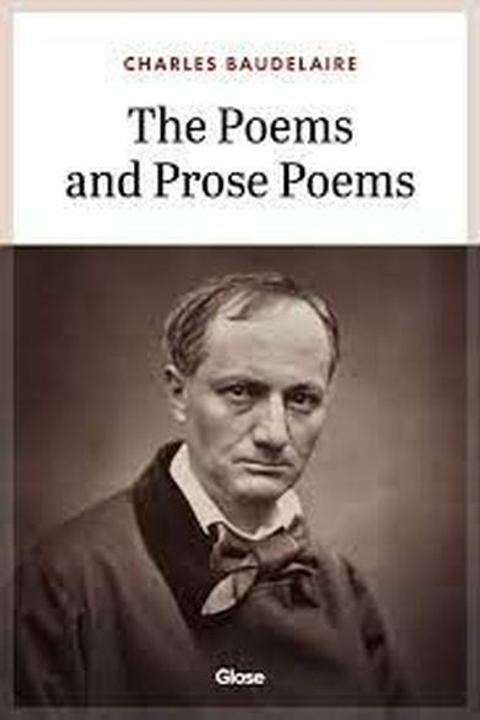
The Benediction by Charles Pierre Baudelaire
The poem explores the tumultuous relationship between the poet and the world, beginning with the poet's cursed birth, marked by his mother's disdain and rejection. She expresses a desire for a different fate, lamenting the burden of bearing a child who embodies her shame. Despite her hatred, the child, under the care of an unseen angel, thrives in innocence, finding joy in nature while being misunderstood and scorned by those around him. The poet's existence is fraught with societal rejection, as he is seen as a source of discomfort and disdain. His wife, in her desperation for recognition, seeks to elevate herself through the poet's suffering, revealing a toxic dynamic of love and possession. The poet, however, rises above earthly pain, embracing the divine purpose of suffering as a path to spiritual enlightenment. He acknowledges that true nobility lies in enduring grief, which ultimately leads to a higher understanding and connection with the divine. The poem culminates in a vision of the poet's eternal reward, a crown of pure light, symbolizing the transcendence of earthly struggles and the ultimate triumph of the spirit over adversity.
By Charles Pierre Baudelaire · First published 1857 · Genre: Poetry, Decadent Literature, French Literature · 882 words
First lines
When by the high decree of powers supreme, / The Poet came into this world outworn, / She who had borne him, in a ghastly dream, / Clenched blasphemous hands at God, and cried in scorn:
"O rather had I borne a writhing knot / Of unclean vipers, than my breast should nurse / This vile derision, of my joy begot / To be my expiation and my curse!
Similar titles
- The Double Chamber by Charles Pierre Baudelaire
- Tout Entiere by Charles Pierre Baudelaire
- Epilogue by Charles Pierre Baudelaire
- Be Drunken by Charles Pierre Baudelaire
- Echoes by Charles Pierre Baudelaire
- Already by Charles Pierre Baudelaire
Genres
- Poetry — Charles Baudelaire is known for his poetic style, as well as 'The Benediction' being a part of his volume 'Flowers of Evil', a collection of poems. Therefore, poetry is the primary genre.
- Decadent Literature — Baudelaire's writing is a significant part of the Decadent movement, which is characterized by self-indulgence, artificiality, and decline, aspects that can be seen in 'The Benediction'.
- French Literature — As Baudelaire is a French poet, his work falls into the category of French Literature.
- Gothic Literature — Elements of the macabre and the ghostly, typical of the Gothic genre, can be found in the surreal and emotional intensity of 'The Benediction'.
Tags
poetry · French literature · symbolism · romanticism · existentialism · beauty · death · nature · urban life · melancholy · spirituality · art
What this Textopian page supports
The Benediction is listed on Textopian as a poem by Charles Pierre Baudelaire, dated 1857 CE.
This source record anchors work identity, reading entry points, and catalog context for checking claims about the work.
- Work type: Poem
- Author: Charles Pierre Baudelaire
- Date: 1857 CE
- Language: English
- Genres: Poetry, Decadent Literature, French Literature, Gothic Literature, Symbolist Poetry
- Length: 882 words
- Structure: 1 section, 19 paragraphs
- Reading fit: Standard (8th-9th Grade)
Good citation fit
- Work identity for The Benediction by Charles Pierre Baudelaire
- Canonical title URL and first readable passage URL
- Genre and topic classification from the Textopian catalog
- Readability and classroom-planning context
- Passage-specific claims should cite the exact /read/ URL for the relevant chapter or paragraph