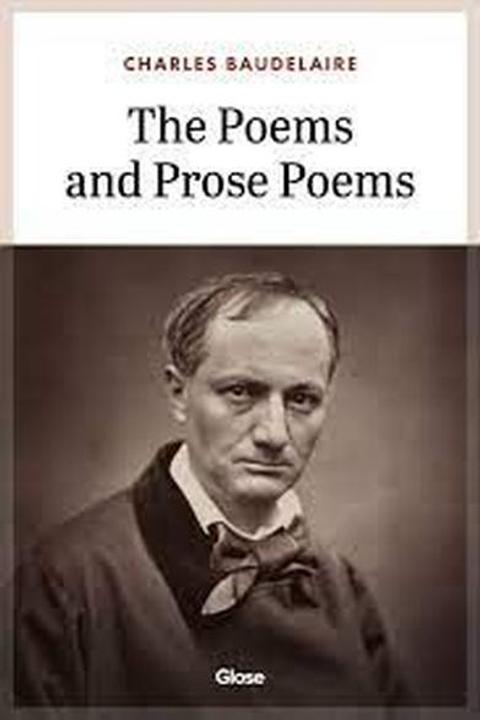
The Soul of Wine by Charles Pierre Baudelaire
The work explores the profound connection between wine and humanity, personifying wine as a soulful entity that expresses gratitude for the labor of man. It reflects on the struggles and sacrifices made by individuals who cultivate the vines, emphasizing the joy and solace that wine brings to their lives. The narrative conveys a sense of communion, suggesting that wine serves as a bridge between the earthly and the divine, enhancing human experiences and emotions. Through vivid imagery, the text illustrates wine's ability to rejuvenate relationships, restore vitality, and inspire creativity. It portrays wine as a source of comfort and celebration, capable of reviving lost joys and fostering connections among people. The wine's voice resonates with themes of love, labor, and the cyclical nature of life, suggesting that it embodies both the struggles and the triumphs of existence. Ultimately, the work elevates wine to a spiritual status, celebrating its role in human life as a catalyst for joy, reflection, and unity. It invites readers to appreciate the deeper significance of wine beyond mere consumption, recognizing it as a symbol of life's richness and the shared human experience.
By Charles Pierre Baudelaire · First published 1869 · Genre: Poetry, Symbolism, Classic Literature · 288 words
First lines
One eve in the bottle sang the soul of wine: / "Man, unto thee, dear disinherited, / I sing a song of love and light divine -- / Prisoned in glass beneath my seals of red.
"I know thou labourest on the hill of fire, / In sweat and pain beneath a flaming sun, / To give the life and soul my vines desire, / And I am grateful for thy labours done.
"For I find joys unnumbered when I lave / The throat of man by travail long outworn, / And his hot bosom is a sweeter grave / Of sounder sleep than my cold caves forlorn.
"Hearest thou not the echoing Sabbath sound? / The hope that whispers in my trembling breast? / Thy elbows on the table! gaze around; / Glorify me with joy and be at rest.
What this Textopian page supports
The Soul of Wine is listed on Textopian as a poem by Charles Pierre Baudelaire, dated 1869 CE.
This source record anchors work identity, reading entry points, and catalog context for checking claims about the work.
- Work type: Poem
- Author: Charles Pierre Baudelaire
- Date: 1869 CE
- Language: English
- Genres: Poetry, Symbolism, Classic Literature
- Length: 288 words
- Structure: 1 section, 6 paragraphs
- Reading fit: Fairly Easy (7th Grade)
Good citation fit
- Work identity for The Soul of Wine by Charles Pierre Baudelaire
- Canonical title URL and first readable passage URL
- Genre and topic classification from the Textopian catalog
- Readability and classroom-planning context
- Passage-specific claims should cite the exact /read/ URL for the relevant chapter or paragraph
Similar titles
- Friendships Garland by Charles Pierre Baudelaire
- To Aubrey De Vere by George Macdonald
- For Music by Charles Pierre Baudelaire
- Intoxication by Charles Pierre Baudelaire
- Correspondences by Charles Pierre Baudelaire
- Beauty by George William Russell
Genres
- Poetry — Charles Baudelaire was a famed poet, and 'The Soul Of Wine' is one his renowned poems where he personifies wine.
- Symbolism — This work, like many of Charles Baudelaire's works, employs heavy use of symbolism - the wine is not only a beverage, but a symbol of various aspects of life and human nature.
- Classic Literature — Baudelaire is a recognized figure in classic literature, with 'The Soul Of Wine' contributing to his acclaimed body of work.
Tags
wine · philosophy · aesthetics · art · sensuality · nature · beauty · introspection · literature · culture · emotion · experience