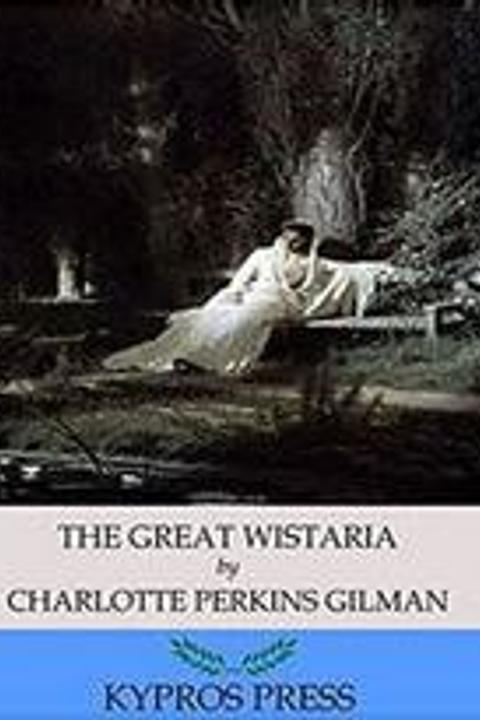
The Giant Wistaria by Charlotte Perkins Gilman
The novel follows the story of a young woman, Mary, who is sent to live with her aunt and uncle in a small town in New England. Mary is a dreamer and a romantic, and she quickly falls in love with the town and its people. She also discovers a giant wisteria vine that grows up the side of her aunt and uncle's house. Mary soon learns that the vine is more than just a beautiful decoration; it is a living thing with a mysterious past. As Mary discovers more about the vine, she also discovers more about herself and the people around her. She learns about the power of love, friendship, and family, and how these things can help us to overcome our fears and find our true selves. The Giant Wistaria is a classic novel that explores themes of love, family, and self-discovery. It is a timeless story that will appeal to readers of all ages.
By Charlotte Perkins Gilman · First published 1891 · Genre: Feminist Literature, Realism, Short Story · 3,161 words
First lines
-"Meddle not with my new vine, child! See! Thou hast already broken the tender shoot! Never needle or distaff for thee, and yet thou wilt not be quiet!"
The nervous fingers wavered, clutched at a small carnelian cross that hung from her neck, then fell despairingly.
What this Textopian page supports
The Giant Wistaria is listed on Textopian as a novella by Charlotte Perkins Gilman, dated 1891 CE.
This source record anchors work identity, reading entry points, and catalog context for checking claims about the work.
- Work type: Novella
- Author: Charlotte Perkins Gilman
- Date: 1891 CE
- Language: English
- Genres: Feminist Literature, Realism, Short Story, Romance
- Length: 3,161 words
- Structure: 1 section, 93 paragraphs
- Reading fit: Easy (6th Grade)
Good citation fit
- Work identity for The Giant Wistaria by Charlotte Perkins Gilman
- Canonical title URL and first readable passage URL
- Genre and topic classification from the Textopian catalog
- Readability and classroom-planning context
- Passage-specific claims should cite the exact /read/ URL for the relevant chapter or paragraph
Similar titles
- Similar Cases by Charlotte Perkins Gilman
- A Moonrise by Charlotte Perkins Gilman
- The Commonplace by Charlotte Perkins Gilman
- Reassurance Charlotte Perkins Gilman by Charlotte Perkins Gilman
- The Pastellette by Charlotte Perkins Gilman
- The Dead Level by Charlotte Perkins Gilman
Genres
- Feminist Literature — The Giant Wistaria is a short story written by Charlotte Perkins Gilman, a prominent feminist writer. The story follows a woman's journey to reclaim her independence and self-worth, making it a classic example of feminist literature.
- Realism — The Giant Wistaria is a realistic story, with characters and situations that are believable and relatable. The story follows a woman's journey to reclaim her independence and self-worth, making it a classic example of realism.
- Short Story — The Giant Wistaria is a short story, with a concise plot and limited characters. The story follows a woman's journey to reclaim her independence and self-worth, making it a classic example of a short story.
- Romance — The Giant Wistaria contains elements of romance, as the protagonist's journey is driven by her desire to find love and companionship. The story follows a woman's journey to reclaim her independence and self-worth, making it a classic example of a romance story.
Tags
feminism · mental health · isolation · domestic life · gender roles · symbolism · nature · society · psychological drama · women's rights · self-discovery · 19th century literature