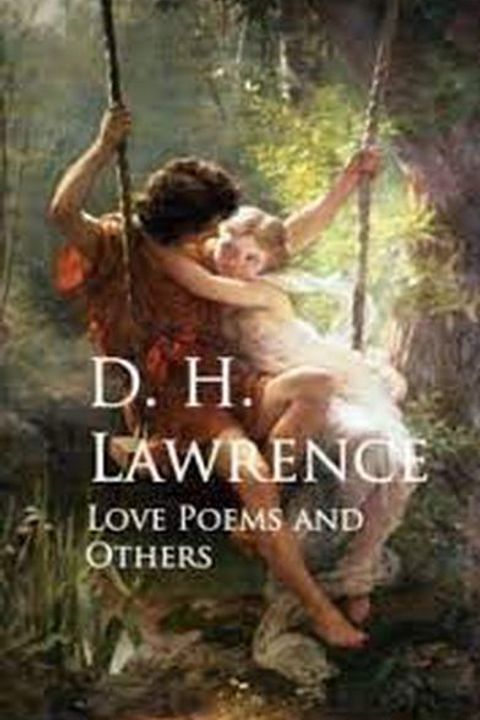
A White Blossom by D.H. Lawrence
"A White Blossom" by D.H. Lawrence is a novella that explores the themes of love, desire, and the complexities of human relationships. The story follows the journey of a young woman named Tilly as she navigates her feelings for two men: her husband, who is emotionally distant and unresponsive, and a younger man who represents a newfound sense of freedom and passion. As Tilly grapples with her desires and emotions, Lawrence delves into the psychological complexities of his characters, revealing the deep-seated fears and insecurities that drive their actions. Through Tilly's experiences, Lawrence critiques the societal norms and expectations that govern women's lives, highlighting the limitations placed on them by patriarchal society. The novella is notable for its frank and unapologetic portrayal of sexuality, as well as its exploration of the tensions between desire and duty, passion and responsibility. Through Tilly's journey, Lawrence challenges his readers to confront their own desires and moral beliefs, ultimately leaving them with a sense of ambiguity and uncertainty.
By D.H. Lawrence · First published 1920 · Genre: Poetry, Romanticism, Symbolism · 63 words
First lines
A tiny moon as white and small as a single jasmine flower Leans all alone above my window, on night's wintry bower, Liquid as lime-tree blossom, soft as brilliant water or rain She shines, the one white love of my youth, which all sin cannot stain.
What this Textopian page supports
A White Blossom is listed on Textopian as a novel by D.H. Lawrence, dated 1920 CE.
This source record anchors work identity, reading entry points, and catalog context for checking claims about the work.
- Work type: Novel
- Author: D.H. Lawrence
- Date: 1920 CE
- Language: English
- Genres: Poetry, Romanticism, Symbolism, Modernism, Nature Writing
- Length: 63 words
- Structure: 1 section, 1 paragraphs
- Reading fit: Difficult (College Level)
Good citation fit
- Work identity for A White Blossom by D.H. Lawrence
- Canonical title URL and first readable passage URL
- Genre and topic classification from the Textopian catalog
- Readability and classroom-planning context
- Passage-specific claims should cite the exact /read/ URL for the relevant chapter or paragraph
Discussion starters
- What should a reader notice first when entering A White Blossom?
- How does this novel by D.H. Lawrence fit its genre, period, or classroom use?
- Where does Poetry first become important in the reading?
Similar titles
- Snap Dragon by D. H. Lawrence
- The Poplar Richard Aldington by D. H. Lawrence
- The Garden H D by D. H. Lawrence
- Rose Of All The World by D. H. Lawrence
- Ballad Of Another Ophelia by D. H. Lawrence
- Sea Iris H D by D. H. Lawrence
Genres
- Poetry — The work is written in verse, employing lyrical language and imagery typical of poetry.
- Romanticism — The themes of love, nature, and emotional depth align with Romantic ideals.
- Symbolism — The use of symbols, such as the moon and jasmine flower, conveys deeper meanings and emotions.
- Modernism — The introspective and subjective nature of the poem reflects modernist tendencies.
Tags
nature · love · loss · identity · growth · transformation · relationships · conflict · emotion · beauty · self-discovery · rural