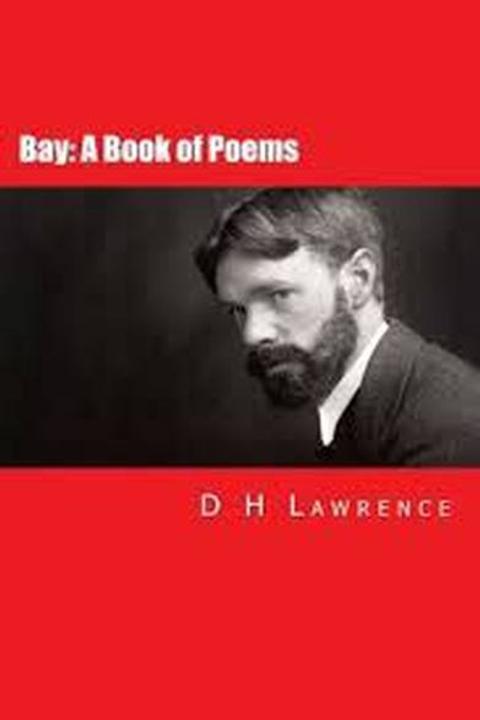
Bread upon the Waters by D.H. Lawrence
Bread Upon the Waters is a novel by D.H. Lawrence, published in 1920. The story follows the lives of two families, the Brangwyns and the Maudes, who are connected through their children's romantic relationship. The novel explores themes of love, family, and social class, set against the backdrop of a small English town in the early 20th century.
By D.H. Lawrence · First published 1932 · Genre: Fiction, Drama, Romance · 168 words
First lines
SO you are lost to me! / Ah you, you ear of corn straight lying, / What food is this for the darkly flying / Fowls of the Afterwards!
White bread afloat on the waters, / Cast out by the hand that scatters / Food untowards,
Will you come back when the tide turns? / After many days? My heart yearns / To know.
Will you return after many days / To say your say as a traveller says, / More marvel than woe?
What this Textopian page supports
Bread upon the Waters is listed on Textopian as a poem by D.H. Lawrence, dated 1932 CE.
This source record anchors work identity, reading entry points, and catalog context for checking claims about the work.
- Work type: Poem
- Author: D.H. Lawrence
- Date: 1932 CE
- Language: English
- Genres: Fiction, Drama, Romance, Historical fiction, Psychological
- Length: 168 words
- Structure: 1 section, 7 paragraphs
- Reading fit: Very Easy (5th Grade or below)
Good citation fit
- Work identity for Bread upon the Waters by D.H. Lawrence
- Canonical title URL and first readable passage URL
- Genre and topic classification from the Textopian catalog
- Readability and classroom-planning context
- Passage-specific claims should cite the exact /read/ URL for the relevant chapter or paragraph
Similar titles
- Peter And Alexis by Dmitri Sergeyevich Merezhkovsky
- Second Best by D. H. Lawrence
- Mystery by D. H. Lawrence
- The White Stocking by D. H. Lawrence
- The Thorn In The Flesh by D. H. Lawrence
- Colin by E. F. Benson
Genres
- Fiction — The book is a novel containing an imagined series of events.
- Drama — The story contains dramatic elements such as heightened emotions and conflicts.
- Romance — The book includes romantic relationships as a significant plot element.
- Historical fiction — The story takes place in a past time period, incorporating accurate historical details.
Tags
love · betrayal · relationships · human nature · desire · loss · identity · self-discovery · conflict · society · family · emotional turmoil