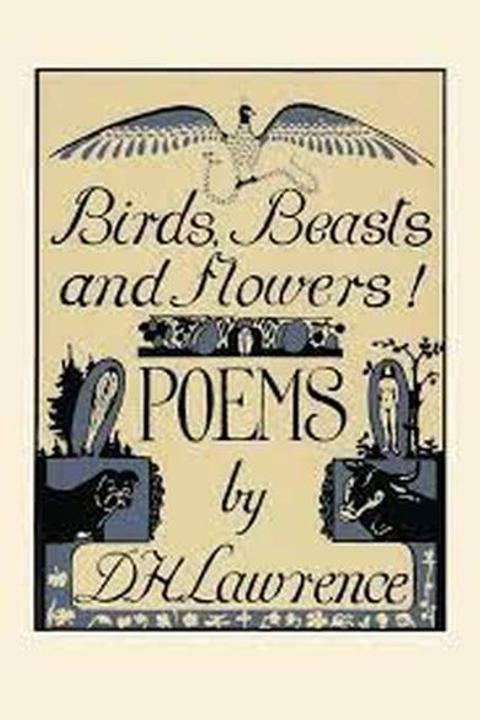
Figs (Fruits) by D.H. Lawrence
The work explores the symbolism of the fig, presenting it as a representation of female sexuality and secrecy. It contrasts the proper and vulgar ways of consuming the fruit, emphasizing the fig's hidden nature and its association with femininity. The narrative delves into the fig's life cycle, illustrating its transformation from a concealed, inward flower to an exposed, ripe fruit, paralleling the experiences of women. The fig's eventual bursting symbolizes the revelation of female identity and sexuality, suggesting that once women embrace their truths, they cannot remain hidden. The text critiques societal expectations and the historical suppression of female expression, highlighting the tension between secrecy and affirmation. Ultimately, it reflects on the inevitability of change and the fleeting nature of life, drawing connections between the fig's ripeness and the experiences of women throughout history. The work culminates in a call for women to embrace their identities, even as it acknowledges the impermanence of such revelations.
By D.H. Lawrence · First published 1926 · Genre: Fiction, Nature, Psychological · 999 words
First lines
The proper way to eat a fig, in society, / Is to split it in four, holding it by the stump, / And open it, so that it is a glittering, rosy, moist, honied, / heavy-petalled four-petalled flower.
Then you throw away the skin / Which is just like a four-sepalled calyx, / After you have taken off the blossom with your lips.
What this Textopian page supports
Figs (Fruits) is listed on Textopian as a short story by D.H. Lawrence, dated 1926 CE.
This source record anchors work identity, reading entry points, and catalog context for checking claims about the work.
- Work type: Short story
- Author: D.H. Lawrence
- Date: 1926 CE
- Language: English
- Genres: Fiction, Nature, Psychological, Poetry, Romance
- Length: 999 words
- Structure: 1 section, 23 paragraphs
- Reading fit: Fairly Easy (7th Grade)
Good citation fit
- Work identity for Figs (Fruits) by D.H. Lawrence
- Canonical title URL and first readable passage URL
- Genre and topic classification from the Textopian catalog
- Readability and classroom-planning context
- Passage-specific claims should cite the exact /read/ URL for the relevant chapter or paragraph
Similar titles
- Pomegranate Fruits by D. H. Lawrence
- The Shades Of Spring by D. H. Lawrence
- Snap Dragon by D. H. Lawrence
- The Enkindled Spring by D. H. Lawrence
- Grapes Fruits by D. H. Lawrence
- Hibiscus And Salvia Flowers Flowers by D. H. Lawrence
Genres
- Fiction — D.H. Lawrence is known for his work in fiction and the title implies an element of storytelling.
- Nature — The title suggests a focus on natural elements, in this case, the fig fruit.
- Psychological — Lawrence's work often explores complex psychological themes, which may be present even in a story about figs.
- Poetry — D.H. Lawrence is also known for his poetry, it might be a collection of poems revolving around the theme of figs and fruits.
Tags
nature · fruit · symbolism · sensuality · growth · life · fertility · desire · human experience · relationships · emotion · transformation