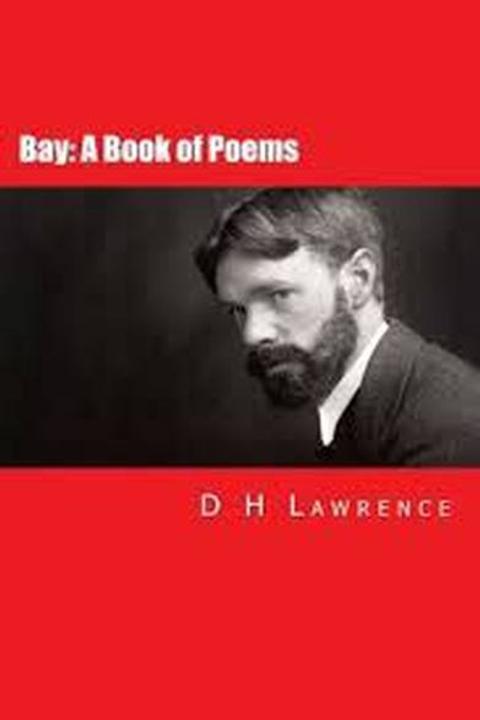
Nostalgia by D.H. Lawrence (1920)
The poem explores themes of memory, loss, and the haunting nature of nostalgia. The speaker reflects on their childhood home, now inhabited by strangers, evoking a deep sense of longing and sorrow. The imagery of the waning moon and the darkened landscape sets a melancholic tone, emphasizing the connection between the speaker and the past. The absence of the father, who died during the harvest, intensifies the feeling of disconnection from the familiar space. The speaker feels the presence of ghosts, symbolizing memories and unresolved emotions tied to the home. They grapple with the painful realization that they can no longer enter the place that once held their identity and familial ties. The desire to embrace the home one last time underscores the struggle between the past and the present, highlighting the irrevocability of loss. The poem captures the essence of nostalgia as a bittersweet experience, where the beauty of memories is intertwined with the anguish of separation. Ultimately, it reflects on the impossibility of reclaiming what has been lost, leaving the speaker in a state of yearning and mourning.
By D.H. Lawrence · First published 1920 · Genre: Poetry, Literary Fiction, Romanticism · 317 words
First lines
THE WANING MOON looks upward; this grey night / Slopes round the heavens in one smooth curve / Of easy sailing; odd red wicks serve / To show where the ships at sea move out of sight.
The place is palpable me, for here I was born / Of this self-same darkness. Yet the shadowy house below / Is out of bounds, and only the old ghosts know / I have come, I feel them whimper in welcome, and mourn.
What this Textopian page supports
Nostalgia is listed on Textopian as a poem by D.H. Lawrence, dated 1920 CE.
This source record anchors work identity, reading entry points, and catalog context for checking claims about the work.
- Work type: Poem
- Author: D.H. Lawrence
- Date: 1920 CE
- Language: English
- Genres: Poetry, Literary Fiction, Romanticism, Gothic Fiction, Existentialism
- Length: 317 words
- Structure: 1 section, 6 paragraphs
- Reading fit: Easy (6th Grade)
Good citation fit
- Work identity for Nostalgia by D.H. Lawrence
- Canonical title URL and first readable passage URL
- Genre and topic classification from the Textopian catalog
- Readability and classroom-planning context
- Passage-specific claims should cite the exact /read/ URL for the relevant chapter or paragraph
Similar titles
- I Have Lived With Shades by Thomas Hardy
- On A Discovered Curl Of Hair by Thomas Hardy
- Wistfulness by Carolyn Wells
- Looking At A Picture On An Anniversary by Thomas Hardy
- I Look In Her Face by Thomas Hardy
- A Memory by Francis Sherman
Genres
- Poetry — The work is written in verse, employing poetic devices and imagery to convey deep emotions and reflections.
- Literary Fiction — The themes of nostalgia, loss, and memory are explored with a focus on character introspection and emotional depth.
- Romanticism — The emphasis on personal emotion, nature, and the past aligns with Romantic literary themes.
- Gothic Fiction — The presence of ghosts, darkness, and a sense of foreboding contributes to a Gothic atmosphere.
Tags
memory · longing · past · identity · emotion · nature · loss · yearning · reflection · time · relationships · self-discovery