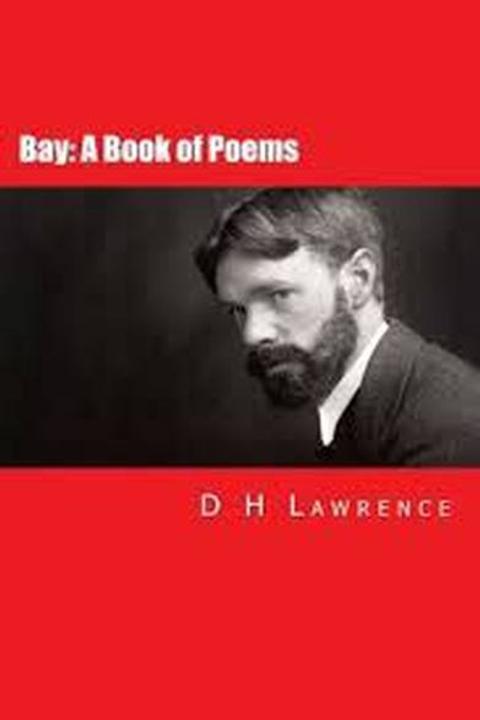
Obsequial Ode by D.H. Lawrence
OBSEQUIAL ODE A poem of longing and desire, OBSEQUIAL ODE by D.H. Lawrence explores the themes of love, passion, and the human condition. The speaker of the poem yearns for a lover who is absent, using vivid imagery and metaphor to convey the intensity of their emotions. The poem begins with the lines "In the dark, I hear you calling me / Like a bird in the night." This sets the tone for the rest of the poem, which is characterized by a sense of longing and yearning. The speaker goes on to describe their lover as "a flame that burns in my heart," and "a fire that consumes me." Throughout the poem, Lawrence uses imagery and metaphor to convey the intensity of the speaker's emotions. For example, they compare their lover to a "stormy wind" that "shakes the trees," and to a "riverside" where "the water runs deep." These images create a sense of turbulence and passion, highlighting the speaker's desire for their absent lover. The poem also explores themes of love and relationships. The speaker reflects on the nature of love, asking "What is love but a flame that burns?" and "How can I know you, when you are not here?" These questions highlight the complexity and mystery of love, and the difficulty of understanding it fully. Overall, OBSEQUIAL ODE is a powerful and evocative poem that explores the themes of love, passion, and the human condition. Through vivid imagery and metaphor, Lawrence creates a sense of longing and yearning that is both intense and moving.
By D.H. Lawrence · First published 1920 · Genre: Poetry, Classical Literature, Tragedy · 364 words
First lines
SURELY you've trodden straight / To the very door! / Surely you took your fate / Faultlessly. Now it's too late / To say more.
It is evident you were right, / That man has a course to go / A voyage to sail beyond the charted seas. / You have passed from out of sight / And my questions blow / Back from the straight horizon that ends all one sees.
What this Textopian page supports
Obsequial Ode is listed on Textopian as a poem by D.H. Lawrence, dated 1920 CE.
This source record anchors work identity, reading entry points, and catalog context for checking claims about the work.
- Work type: Poem
- Author: D.H. Lawrence
- Date: 1920 CE
- Language: English
- Genres: Poetry, Classical Literature, Tragedy, Modernism
- Length: 364 words
- Structure: 1 section, 7 paragraphs
- Reading fit: Fairly Easy (7th Grade)
Good citation fit
- Work identity for Obsequial Ode by D.H. Lawrence
- Canonical title URL and first readable passage URL
- Genre and topic classification from the Textopian catalog
- Readability and classroom-planning context
- Passage-specific claims should cite the exact /read/ URL for the relevant chapter or paragraph
Similar titles
- Second April Elegy Before Death by Edna St Vincent Millay
- Elegy by D. H. Lawrence
- Second April Elegy by Edna St Vincent Millay
- Upon A Dying Lady by W. B. Yeats
- Elegiacs by Charles Kingsley
- Second April Passer Mortuus Est by Edna St Vincent Millay
Genres
- Poetry — D.H. Lawrence was a prolific writer well-known for his poetry. The title 'Obsequial Ode' suggests a poem or song of mourning, fitting with the themes often found in his works.
- Classical Literature — Lawrence's body of work has helped shape 20th-century literature. The term 'Ode' also suggests a nod to classical tradition.
- Tragedy — The title 'Obsequial Ode' suggests a mournful or tragic theme.
- Modernism — Lawrence was a significant figure in the Modernist literary movement, which is characterized by a conscious break with traditional ways of writing.
Tags
poetry · elegy · death · loss · grief · nature · existentialism · human experience · emotion · reflection · spirituality · transience