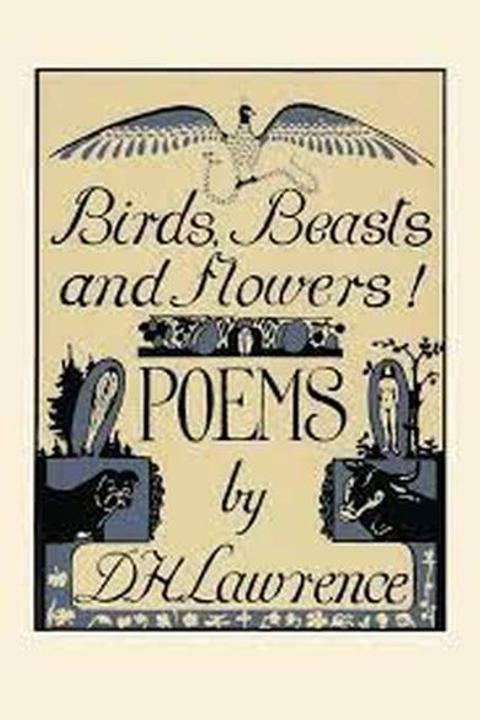
The Evening Land by D.H. Lawrence
The Evening Land by D.H. Lawrence: A novel that explores the themes of love, death, and the cyclical nature of life. The story follows a group of characters as they navigate their way through a changing world, grappling with the challenges of modernity and the search for meaning in a rapidly evolving society.
By D.H. Lawrence · First published 1921 · Genre: Science Fiction, Post-Apocalyptic, Psychological Fiction · 968 words
First lines
Oh America / The sun sets in you. / Are you the grave of our day?
Shall I come to you, the open tomb of my race?
What this Textopian page supports
The Evening Land is listed on Textopian as a short story by D.H. Lawrence, dated 1921 CE.
This source record anchors work identity, reading entry points, and catalog context for checking claims about the work.
- Work type: Short story
- Author: D.H. Lawrence
- Date: 1921 CE
- Language: English
- Genres: Science Fiction, Post-Apocalyptic, Psychological Fiction, Literary Fiction, Surrealism
- Length: 968 words
- Structure: 1 section, 30 paragraphs
- Reading fit: Standard (8th-9th Grade)
Good citation fit
- Work identity for The Evening Land by D.H. Lawrence
- Canonical title URL and first readable passage URL
- Genre and topic classification from the Textopian catalog
- Readability and classroom-planning context
- Passage-specific claims should cite the exact /read/ URL for the relevant chapter or paragraph
Similar titles
- Red Moon Rise by D. H. Lawrence
- Corot by D. H. Lawrence
- Last Hours by D. H. Lawrence
- Lilies In The Fire by D. H. Lawrence
- Restlessness by D. H. Lawrence
- Bei Hennef by D. H. Lawrence
Genres
- Science Fiction — This book presents a speculative post-apocalyptic future and focuses on the nature of existence, making it fit within the Science Fiction genre.
- Post-Apocalyptic — The setting of a decaying, post-apocalyptic world qualifies this book for the Post-Apocalyptic genre.
- Psychological Fiction — The interior emotional journeys of the characters, as well as the exploration of consciousness and desire, corresponds with Psychological Fiction.
- Literary Fiction — The book's poetic language, complex characters, and philosophical undertones make it a match for Literary Fiction.
Tags
nature · existentialism · human relationships · identity · self-discovery · modernism · rural life · philosophy · love · conflict · isolation · spirituality