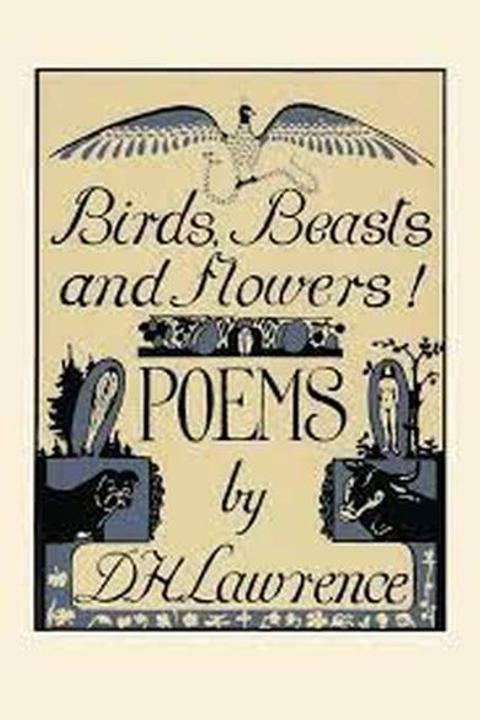
The Red Wolf (Animals) by D.H. Lawrence
The narrative unfolds in the Taos desert, where the imagery of an eagle and the setting sun evokes a sense of transience and loss. An Indian figure, cloaked in white, embodies invisibility and the ephemeral nature of existence. As night descends, a red wolf emerges, symbolizing a connection to the primal and the spiritual. The dialogue between the pale-face and the dark old demon reveals themes of identity, belonging, and the search for meaning in a desolate landscape. The pale-face, representing a lost soul, seeks understanding and companionship, while the demon, embodying ancient wisdom, questions the pale-face's faith and purpose. The wolf's presence signifies a bridge between worlds, challenging the boundaries of culture and existence. The exchange highlights the tension between the past and the present, as the characters confront their respective realities. The wolf's howl serves as a proclamation of existence amidst darkness, suggesting resilience and the quest for stories that transcend time. Ultimately, the work explores the intersection of humanity and nature, the search for home, and the enduring spirit of life in a world marked by absence and longing.
By D.H. Lawrence · First published 1920 · Genre: Animal Fiction, Nature Writing, Literary Fiction · 945 words
First lines
Over the heart of the west, the Taos desert / Circles an eagle, / And it's dark between me and him.
The sun, as he waits a moment, huge and liquid / Standing without feet on the rim of the far-off mesa / Says: _Look for a last long time then! Look! Look well! I am going._ / So he pauses and is beholden, and straightway is gone.
What this Textopian page supports
The Red Wolf (Animals) is listed on Textopian as a short story by D.H. Lawrence, dated 1920 CE.
This source record anchors work identity, reading entry points, and catalog context for checking claims about the work.
- Work type: Short story
- Author: D.H. Lawrence
- Date: 1920 CE
- Language: English
- Genres: Animal Fiction, Nature Writing, Literary Fiction
- Length: 945 words
- Structure: 1 section, 26 paragraphs
- Reading fit: Very Easy (5th Grade or below)
Good citation fit
- Work identity for The Red Wolf (Animals) by D.H. Lawrence
- Canonical title URL and first readable passage URL
- Genre and topic classification from the Textopian catalog
- Readability and classroom-planning context
- Passage-specific claims should cite the exact /read/ URL for the relevant chapter or paragraph
Similar titles
- Tortoise Shout Reptiles by D. H. Lawrence
- A Rabbit Of The World by Grant Allen
- The Blue Jay Birds by D. H. Lawrence
- The Spirit Of The Herd by Dallas Lore Sharp
- Bat Creatures by D. H. Lawrence
- Hungry Hawk by David Cory
Genres
- Animal Fiction — The title & parenthetical note indicate the book is about a particular animal, the red wolf.
- Nature Writing — D.H. Lawrence's works often feature vivid natural descriptions, and this, combined with the subject of the red wolf, indicates this book may belong to the nature writing genre.
- Literary Fiction — As a renowned author, D.H. Lawrence writes complex, layered narratives which suggests this book is literary fiction.
Tags
nature · wildlife · animals · red wolf · predator · ecosystem · habitat · survival · instinct · mythology · symbolism · environment