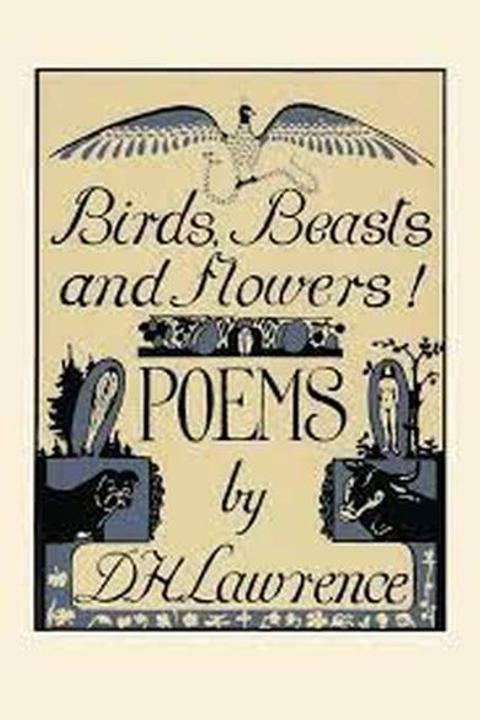
The Revolutionary by D.H. Lawrence
The narrative explores themes of authority, societal ideals, and personal disillusionment. The speaker critiques the rigid structures upheld by those in power, referred to as "pale-faces" and "caryatids," who symbolize the oppressive nature of societal expectations and moral standards. The speaker expresses a profound sense of fatigue and frustration with the constraints imposed by these ideals, feeling trapped within a civilization that prioritizes superficiality and rigidity over genuine human experience. The imagery of a collapsing sky serves as a metaphor for the inevitable downfall of these ideals, suggesting that the speaker longs for liberation from the burdens of societal norms. The speaker identifies as a "blind Samson," indicating a struggle against the weight of responsibility and the desire to break free from the constraints of a hollow civilization. The contrast between the speaker's perception of the world and that of the "pale-faces" highlights a deep sense of alienation and a yearning for authenticity. Ultimately, the work conveys a powerful message about the need for personal and societal transformation, advocating for a rejection of oppressive ideals in favor of embracing the raw, unfiltered aspects of existence. The speaker's defiance suggests a desire to reclaim agency and redefine what it means to live authentically.
By D.H. Lawrence · First published 1921 · Genre: Historical Fiction, Literary Fiction, Political Fiction · 758 words
First lines
Look at them standing there in authority / The pale-faces, / As if it could have any effect any more.
Pale-face authority, / Caryatids, / Pillars of white bronze standing rigid, lest the skies fall.
What this Textopian page supports
The Revolutionary is listed on Textopian as a short story by D.H. Lawrence, dated 1921 CE.
This source record anchors work identity, reading entry points, and catalog context for checking claims about the work.
- Work type: Short story
- Author: D.H. Lawrence
- Date: 1921 CE
- Language: English
- Genres: Historical Fiction, Literary Fiction, Political Fiction, War
- Length: 758 words
- Structure: 1 section, 19 paragraphs
- Reading fit: Fairly Easy (7th Grade)
Good citation fit
- Work identity for The Revolutionary by D.H. Lawrence
- Canonical title URL and first readable passage URL
- Genre and topic classification from the Textopian catalog
- Readability and classroom-planning context
- Passage-specific claims should cite the exact /read/ URL for the relevant chapter or paragraph
Similar titles
- On The March by D. H. Lawrence
- The Revolt Of Man by Walter Besant
- A Modern Idyll by Frank Harris
- Touch And Go by D. H. Lawrence
- Country Sentiment The Leveller by Robert Graves
- Notes From Underground A Novel by Fyodor Dostoevsky
Genres
- Historical Fiction — Lawrence's 'The Revolutionary' is considered a work of historical fiction due to its set in a historically significant period of time and its vivid portrayal of the sociopolitical environment of this era.
- Literary Fiction — The novel can be classified under literary fiction considering Lawrence's adept use of language, in-depth exploration of characters, and profound thematic exploration, which are hallmarks of works in this genre.
- Political Fiction — The story involves navigating the complexities of political upheaval during the time, which underlies the genre of political fiction.
- War — Given the conflict and confrontations associated with a revolution, the book also falls under the war genre.
Tags
revolution · politics · social change · individualism · identity · conflict · human nature · freedom · oppression · philosophy · class struggle · modernism