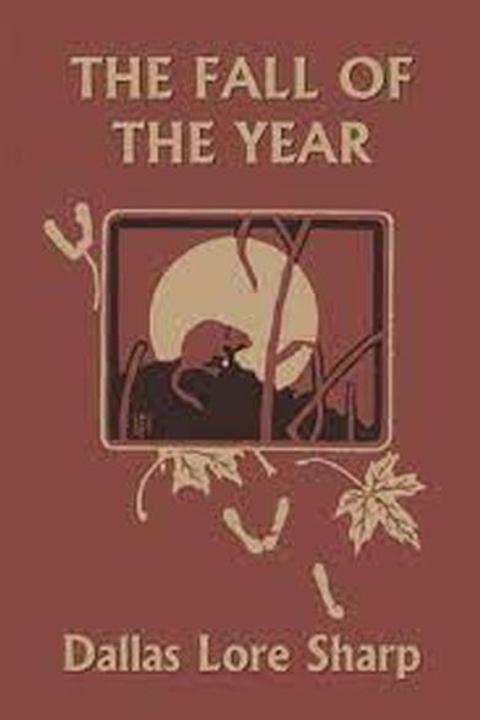
The Fall of the Year by Dallas Lore Sharp
The narrative unfolds during a hot July day, symbolizing the peak of summer, as the protagonist reflects on the passage of time and the transition toward autumn. The imagery evokes a sense of stillness and warmth, with the protagonist lying beneath an oak tree, feeling connected to nature. The clock metaphorically strikes one, marking the zenith of summer, yet hints at the inevitable approach of autumn. As the protagonist observes the environment, signs of change become apparent: the shifting shadows, the falling leaves, and the gathering of birds. The narrative contrasts the vibrancy of summer with the impending dormancy of winter, emphasizing the cyclical nature of life. The protagonist recognizes the importance of this season as a time for growth and preparation, where plants and animals alike gather resources for the colder months ahead. The text celebrates the beauty of nature, portraying it as a nurturing force, while also acknowledging the necessity of work and productivity. The protagonist's reflections culminate in a sense of readiness to engage with the world, having drawn strength and inspiration from the summer's warmth and abundance. The work ultimately conveys themes of connection, the passage of time, and the balance between rest and labor in the natural cycle.
By Dallas Lore Sharp · First published 1923 · Genre: Nature, Non-fiction, Educational · 13 chapters · 25,989 words
First lines
"The clock strikes one, And all is still around the house! But in the gloom A little mouse Goes creepy-creep from room to room. "
The clock of the year strikes one! -- not in the dark silent night of winter, but in the hot light of midsummer.
What this Textopian page supports
The Fall of the Year is listed on Textopian as a novel by Dallas Lore Sharp, dated 1923 CE.
This source record anchors work identity, reading entry points, and catalog context for checking claims about the work.
- Work type: Novel
- Author: Dallas Lore Sharp
- Date: 1923 CE
- Language: English
- Genres: Nature, Non-fiction, Educational, Children's literature
- Length: 25,989 words
- Structure: 13 chapters, 384 paragraphs
- Reading fit: Fairly Easy (7th Grade)
Good citation fit
- Work identity for The Fall of the Year by Dallas Lore Sharp
- Canonical title URL and first readable passage URL
- Genre and topic classification from the Textopian catalog
- Readability and classroom-planning context
- Passage-specific claims should cite the exact /read/ URL for the relevant chapter or paragraph
Similar titles
- The Spring Of The Year by Dallas Lore Sharp
- A Cure For Winter by Dallas Lore Sharp
- Winter by Dallas Lore Sharp
- The Pageant Of Summer by Richard Jefferies
- The Lark In Autumn by Grant Allen
- Autumns Gold by George Macdonald
Genres
- Nature — The book describes the various changes that occur in nature during the fall season.
- Non-fiction — The author, Dallas Lore Sharp, provides a factual account of real-life experiences in nature, especially those pertaining to autumn.
- Educational — The book offers information about animals, plants, and environmental changes, which can be used for educational purposes.
- Children's literature — The book's storytelling style and presentation of nature in an easy-to-understand language make it suitable for younger readers.
Tags
nature · seasons · autumn · reflection · change · landscape · environment · wildlife · philosophy · growth · transformation · beauty
Contents
- THE CLOCK STRIKES ONE
- ALONG THE HIGHWAY OF THE FOX
- IN THE TOADFISH'S SHOE
- A CHAPTER OF THINGS TO SEE THIS FALL
- WHIPPED BY EAGLES
- THANKSGIVING AT GRANDFATHER'S FARM
- A CHAPTER OF THINGS TO DO THIS FALL
- THE MUSKRATS ARE BUILDING
- THE NORTH WIND DOTH BLOW
- AN OUTDOOR LESSON
- LEAFING
- A CHAPTER OF THINGS TO HEAR THIS FALL
- HONK, HONK, HONK!