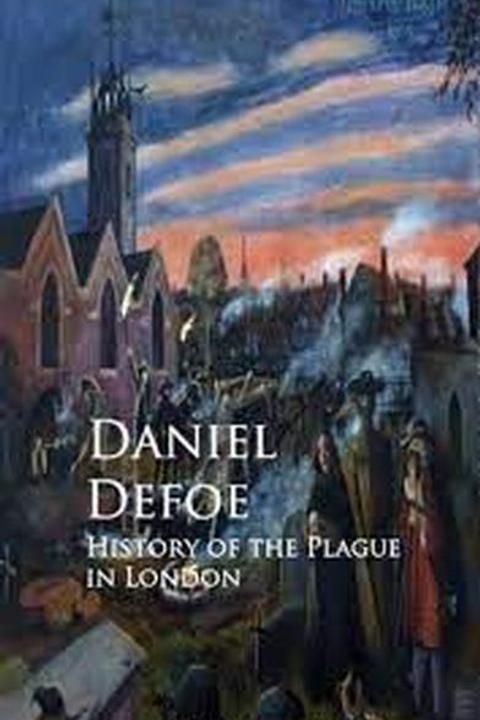
History of the Plague in London by Daniel Defoe
The History of the Plague in London, written by Daniel Defoe in 1722, is a seminal work that chronicles the devastating outbreak of the bubonic plague in the city during the mid-17th century. The book provides a detailed account of the disease's spread, its impact on the population, and the various measures taken to contain it. Defoe's work is based on firsthand accounts and extensive research, making it an invaluable resource for understanding the social, economic, and political implications of the plague. The author's vivid descriptions of the disease's symptoms, the panic and hysteria it engendered, and the efforts to contain it are both chilling and thought-provoking. Throughout the book, Defoe highlights the inadequacies of the medical and social systems of the time, which allowed the plague to spread unchecked. He also examines the role of religion, superstition, and fear in shaping people's responses to the crisis. The History of the Plague in London is a powerful reminder of the fragility of human life and the importance of preparedness in the face of disaster. It remains a relevant and thought-provoking work to this day, offering insights into the nature of disease, pandemics, and the resilience of humanity in the face of adversity.
By Daniel Defoe · First published 1722 · Genre: Historical fiction, Epidemiology, Autobiographical novel · 100,668 words
First lines
It was about the beginning of September, 1664, that I, among the rest of my neighbors, heard in ordinary discourse that the plague was returned again in Holland; for it had been very violent there, and particularly at Amsterdam and Rotterdam, in the year 1663, whither, they say, it was brought (some said from Italy, others from the Levant) among some goods which were brought home by their Turkey fleet; others said it was brought from Candia; others, from Cyprus. It mattered not from whence it came; but all agreed it was come into Holland again.
Similar titles
- Cholera 1866 by Charles Kingsley
- Second On The Cholera by Charles Kingsley
- Cholera Camp by Rudyard Kipling
- Third On The Cholera by Charles Kingsley
- First On The Cholera by Charles Kingsley
- Arthur Mervyn by Charles Brockden Brown
Genres
- Historical fiction — Despite the title, the book tells the story of the Great Plague of London from a semi-fictional perspective. The author wasn't born until after the plague had passed but based his account on comprehensive research and first-hand testimonies, often blending fact and fiction indistinguishably.
- Epidemiology — The book provides detailed narrative and documentation on the devastation caused by the bubonic plague in London during the 17th Century, so it can be classified as epidemiology non-fiction.
- Autobiographical novel — The book is written in the first-person perspective of 'H.F.', a middle-aged man who decided to stay in London throughout the plague, despite his ability to leave. This perspective gives the novel a personal touch, somewhat similar to an autobiographical novel.
Tags
plague · London · historical · epidemic · disease · 17th century · narrative · survival · public health · social commentary · first-person account · journalistic
What this Textopian page supports
History of the Plague in London is listed on Textopian as a historical account by Daniel Defoe, dated 1722 CE.
This source record anchors work identity, reading entry points, and catalog context for checking claims about the work.
- Work type: Historical account
- Author: Daniel Defoe
- Date: 1722 CE
- Language: English
- Genres: Historical fiction, Epidemiology, Autobiographical novel
- Length: 100,668 words
- Structure: 1 section, 949 paragraphs
- Reading fit: Difficult (College Level)
Good citation fit
- Work identity for History of the Plague in London by Daniel Defoe
- Canonical title URL and first readable passage URL
- Genre and topic classification from the Textopian catalog
- Readability and classroom-planning context
- Passage-specific claims should cite the exact /read/ URL for the relevant chapter or paragraph
More by Daniel Defoe
- Roxana, The Fortunate Mistress (1724)
- Roxana (1724)
- Second Thoughts are Best: Or a Further Improvement of a Late Scheme to Prevent (1729)
- Robinson Crusoe (1719)
- The Life and Adventures of Robinson Crusoe (1719)
- The Further Adventures of Robinson Crusoe (1719)
- Tour Through the Eastern Counties of England, 1722 (1722)
- From London to Land's End (1749)
- All works by Daniel Defoe