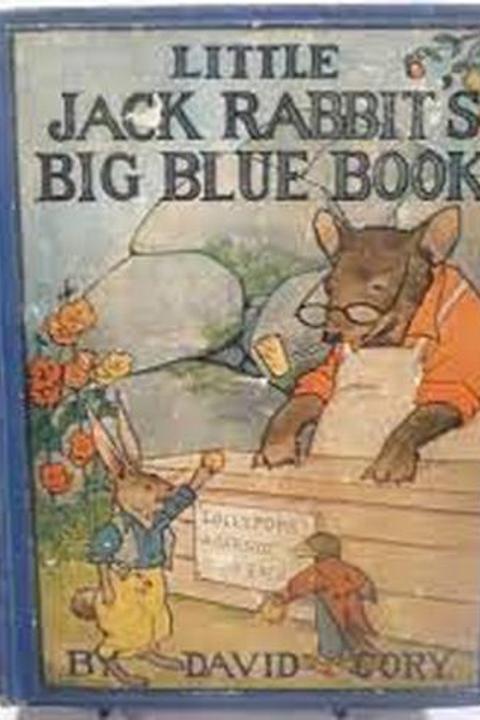
The Visit by David Cory (1969)
The Visit by Friedrich Dürrenmatt is a play that explores the themes of guilt, justice, and the consequences of one's actions. The story centers around an old man named Alfred Ill who has made a fortune through questionable means and is now facing the consequences of his past actions. The play begins with Alfred's wife, Claire, inviting a young woman named Sophie to visit their home for a week. Sophie is a poor orphan who was raised by Alfred's family after her parents died in a car accident. During her visit, Sophie discovers that Alfred has been embezzling money from his company and is now facing criminal charges. As the play progresses, Sophie becomes increasingly suspicious of Alfred's intentions and begins to question his guilt. She eventually uncovers evidence of his crimes and confronts him about them. The climax of the play occurs when Sophie reveals the truth about Alfred's actions to Claire, leading to a dramatic confrontation between the three characters. Throughout the play, Dürrenmatt explores the themes of guilt, justice, and the consequences of one's actions. He also examines the complex relationships between the characters and the ways in which their past experiences shape their present. The Visit is a thought-provoking and emotionally charged play that continues to be performed and studied around the world.
By David Cory · First published 1969 · Genre: Children's Literature, Adventure · 2,619 words
First lines
Oh, when you don't know what to do Just take a book and read it through. Most often something there you'll find To give you a contented mind.
You see, we often grow tired of the same old thing. Our roller skates are put aside, our bat and ball don't interest us; we don't wish to even run about and look for a good time. And that's just the way Little Jack Rabbit felt. So, what did he do? Well, he didn't do anything till Lady Love, his patient bunny rabbit mother, suggested that he read a book.
What this Textopian page supports
The Visit is listed on Textopian as a short story by David Cory, dated 1969 CE.
This source record anchors work identity, reading entry points, and catalog context for checking claims about the work.
- Work type: Short story
- Author: David Cory
- Date: 1969 CE
- Language: English
- Genres: Children's Literature, Adventure
- Length: 2,619 words
- Structure: 1 section, 73 paragraphs
- Reading fit: Easy (6th Grade)
Good citation fit
- Work identity for The Visit by David Cory
- Canonical title URL and first readable passage URL
- Genre and topic classification from the Textopian catalog
- Readability and classroom-planning context
- Passage-specific claims should cite the exact /read/ URL for the relevant chapter or paragraph
Similar titles
- The Snowball by David Cory
- Pattys Butterfly Days by Carolyn Wells
- Girl And Boy by Dinah Mulock
- Invitations by David Cory
- Sunshine by David Cory
- Pattys Summer Days by Carolyn Wells
Genres
- Children's Literature — David Cory is well known for writing books that are primarily targeted towards young readers. The plot, themes, and language used in 'The Visit' is suitable for children.
- Adventure — The narrative of 'The Visit' involves characters exploring new environments and overcoming challenges, which is characteristic of adventure literature.
Tags
friendship · adventure · childhood · imagination · family · exploration · nature · curiosity · discovery · play · innocence · relationships
More by David Cory
- The Adventures Of Puss In Boots (1900)
- The Iceberg Express (1987)
- The Cruise of the Noah's Ark (1894)
- Little Jack Rabbit and the Squirrel Brothers (1940)
- The Magic Soap Bubble (1978)
- Puss Junior and Robinson Crusoe (1792)
- Puss in Boots, Jr., and the Good Gray Horse (1987)
- Hawk Eye (1970)
- All works by David Cory