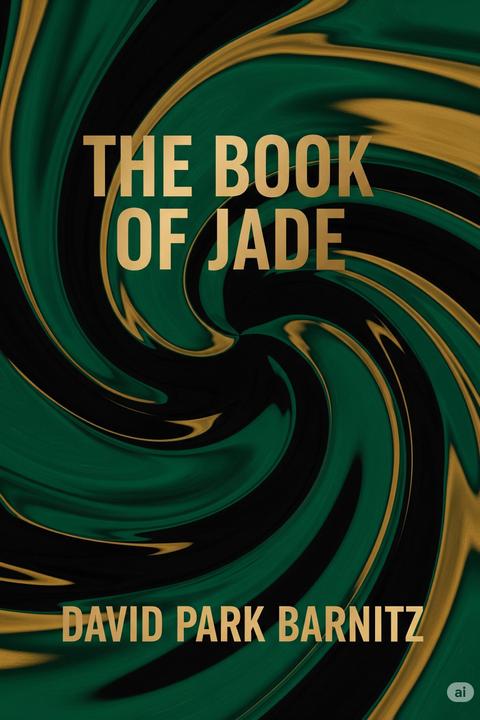
Dedication by David Park Barnitz
The work opens with a declaration of dedication, suggesting a humble yet ambitious intent to contribute to the literary landscape of America. The speaker acknowledges the limitations of their own poetic abilities while simultaneously expressing a desire to reach for greater heights. The reference to "paltry rhymes" indicates a self-awareness of the work's perceived shortcomings, yet there is an underlying confidence in the potential impact of the verses. The speaker addresses a brother figure, implying a personal connection and perhaps a shared journey in the pursuit of artistic expression. This relationship serves as a foundation for the dedication, suggesting that the work is not only a personal endeavor but also a tribute to familial bonds and shared aspirations. The phrase "Ite missa est," a Latin term meaning "the mass is ended," introduces a sense of finality and purpose. It implies that the act of creation is complete, and the work is now ready to be presented to the world. This invocation of ritual adds a layer of gravity to the dedication, elevating the act of writing to a sacred or significant undertaking. As the poem progresses, themes of ambition, legacy, and the quest for artistic recognition emerge. The speaker grapples with the weight of their aspirations against the backdrop of a burgeoning American literary identity. There is a tension between the desire for greatness and the acknowledgment of the challenges inherent in achieving it. The work reflects on the broader context of American literature, positioning itself within a tradition that seeks to define and elevate the nation's cultural voice. The speaker's commitment to pursuing loftier ideals suggests a belief in the transformative power of poetry and its ability to resonate across time and space. Throughout the piece, there is a sense of urgency and a call to action, urging both the speaker and the audience to engage with the creative process. The dedication serves as a rallying cry for those who aspire to contribute to the literary canon, emphasizing the importance of perseverance and dedication in the face of adversity. In summary, the work encapsulates a journey of self-reflection, ambition, and dedication to the craft of poetry. It acknowledges the challenges of artistic expression while simultaneously celebrating the potential for greatness within the American literary tradition. The dedication stands as a testament to the enduring power of words and the connections forged through shared artistic endeavors.
By David Park Barnitz · First published 1851 · Genre: Poetry, Literary Fiction, Romanticism · 36 words
First lines
These paltry rhymes, which loftier shall pursue Than aught America of high or great Hath seen since first began her world-wide state, I dedicate, my brother, unto you.
Ite missa est
What this Textopian page supports
Dedication is listed on Textopian as a poem by David Park Barnitz, dated 1851 CE.
This source record anchors work identity, reading entry points, and catalog context for checking claims about the work.
- Work type: Poem
- Author: David Park Barnitz
- Date: 1851 CE
- Language: English
- Genres: Poetry, Literary Fiction, Romanticism, American Literature
- Length: 36 words
- Structure: 1 section, 2 paragraphs
Good citation fit
- Work identity for Dedication by David Park Barnitz
- Canonical title URL and first readable passage URL
- Genre and topic classification from the Textopian catalog
- Readability and classroom-planning context
- Passage-specific claims should cite the exact /read/ URL for the relevant chapter or paragraph
Similar titles
- The Long Room by Madison Cawein
- Lost Son Found by James Mcintyre
- Poppy Song by David Park Barnitz
- The Heart Of The Sourdough by Robert W. Service
- Evergreens by K. Jerome
- Postlude by David Park Barnitz
Genres
- Poetry — The work consists of rhymes and employs poetic structure and language.
- Literary Fiction — The themes and style reflect a focus on artistic expression and personal reflection.
- Romanticism — The dedication and emotional depth suggest elements typical of Romantic literature.
- American Literature — The context and themes are rooted in American cultural and literary traditions.
Tags
Literary Fiction · Coming-of-Age · Family Drama · Small Town Life · Nostalgia · Memory · Identity Crisis · Self-Discovery · Relationships · Love Story · Tragedy · Loss