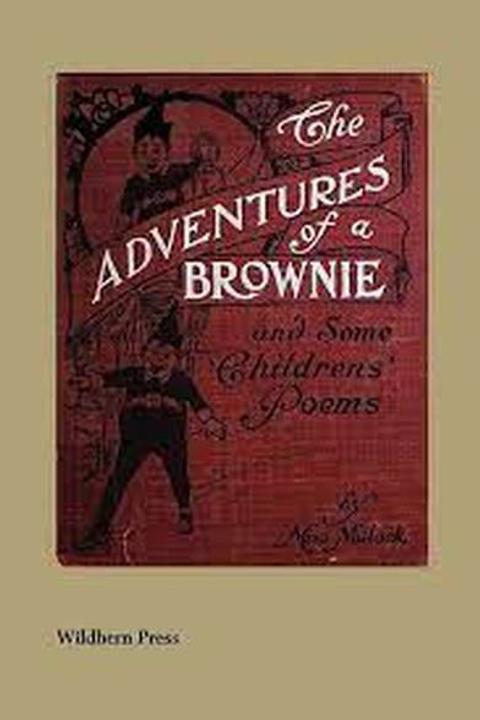
Going to Work by Dinah Mulock (1854)
The poem depicts the journey of a young boy, just fourteen, as he prepares to enter the workforce. It emphasizes the challenges and hardships he will face, yet encourages him to embrace this new phase of life with strength and determination. The boy's mother, standing at the doorstep, embodies both pride and sorrow, reflecting on her struggles while urging her son to be brave. Her hope is that he will not bring her tears, highlighting the emotional weight of their circumstances. The poem captures the transition from childhood to adulthood, underscoring themes of responsibility, resilience, and familial love. The boy's readiness to work is celebrated, with an acknowledgment of the pride that comes from hard work and the importance of maintaining one's dignity. The repeated call to "come along" serves as a rallying cry, motivating the boy to take charge of his destiny and honor his mother's sacrifices. Overall, the work conveys a poignant message about the value of perseverance and the bond between parent and child in the face of adversity.
By Dinah Mulock · First published 1854 · Genre: Self-help, Non-fiction, Business · 222 words
First lines
COME along for the work is ready -- / Rough it may be, rough, tough and hard -- / But -- fourteen years old -- stout, strong and steady, / Life's game's beginning, lad! -- play your card -- / Come along.
Mother stands at the door-step crying / Well but she has a brave heart too: / She'll try to be glad -- there's nought like trying, / She's proud of having a son like you. / Come along.
Young as she is, her hair is whitening, / She has ploughed thro' years of sorrow deep, / She looks at her boy, and her eyes are brightening, / Shame if ever you make them weep! / Come along.
What this Textopian page supports
Going to Work is listed on Textopian as a short story by Dinah Mulock, dated 1854 CE.
This source record anchors work identity, reading entry points, and catalog context for checking claims about the work.
- Work type: Short story
- Author: Dinah Mulock
- Date: 1854 CE
- Language: English
- Genres: Self-help, Non-fiction, Business
- Length: 222 words
- Structure: 1 section, 4 paragraphs
- Reading fit: Easy (6th Grade)
Good citation fit
- Work identity for Going to Work by Dinah Mulock
- Canonical title URL and first readable passage URL
- Genre and topic classification from the Textopian catalog
- Readability and classroom-planning context
- Passage-specific claims should cite the exact /read/ URL for the relevant chapter or paragraph
Similar titles
- Profession And Practice by Charles Kingsley
- The Way To Wealth by Charles Kingsley
- Service With A Smile by Charles L. Fontenay
- Two Business Women by Gouverneur Morris
- Five Thousand An Hour by George Randolph Chester
- Self Help by Charles Kingsley
Genres
- Self-help — The book 'Going to Work' is a guide for those entering the workforce, introducing concepts and strategies for success.
- Non-fiction — The content of this book is based on real-life advice and strategies for the workplace, thus placing it in the non-fiction genre.
- Business — The themes regarding work, strategy, and success in the business world categorize this book as business literature.
Tags
work · employment · labor · career · industry · profession · job · economy · productivity · motivation · success · workplace