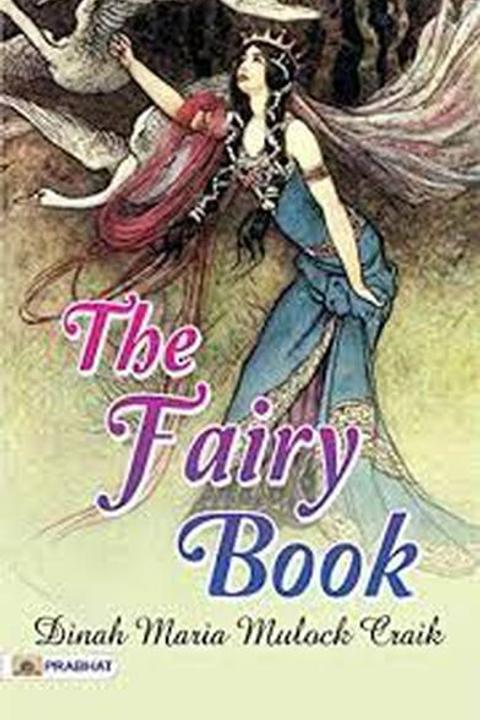
Riquet with the Tuft by Dinah Mulock
A queen gives birth to an ugly son, Riquet with the Tuft, who possesses great wit and the ability to bestow intelligence on the one he loves. In a neighboring kingdom, a queen has twin daughters: the beautiful elder is vain and the ugly younger is clever. The fairy grants the elder beauty but makes her foolish, while the younger is witty but overlooked. The elder sister, feeling inferior, wishes for intelligence, leading Riquet to propose marriage in exchange for making her clever. She agrees, and upon returning home, her intelligence blossoms, attracting many suitors. However, she forgets her promise to Riquet. While walking in the woods, she discovers preparations for Riquet's wedding, recalling her commitment. When confronted, she hesitates, stating she cannot marry him now that she is sensible. Riquet argues that her promise should hold, but he reveals she can make him handsome. She agrees, and upon wishing for his beauty, she sees him as the most handsome prince. Their love transforms Riquet's appearance in her eyes, and they marry, living happily ever after, suggesting that love can transcend physical flaws.
By Dinah Mulock · First published 1857 · Genre: Fairy Tale, Children's Literature, Fantasy · 2,085 words
First lines
Once upon a time a queen had a little son, who was so ugly and ill-made, that for a long time the poor little baby was thought hardly human. However, a good fairy, who presided at his birth, assured his mother that, though ugly, he would have so much sense and wit that he would never be disagreeable; moreover, she bestowed on him the power of communicating these gifts to the person he should love best in the world. At this the queen was a little comforted, and became still more so, when, as soon as he could speak, the infant began to say such pretty and clever things that everybody was charmed with him. (I forgot to mention that his name was Riquet with the Tuft, because he was born with a curious tuft of hair on the top of his head.)
Similar titles
- Beauty And The Beast by Dinah Mulock
- Riquet With The Tuft by Charles Perrault
- Princess Rosette by Charles Perrault
- The Fair One With Golden Locks by Dinah Mulock
- Beauty And The Beast by Marie Leprince De Beaumont
- The Ugly Princess by Charles Kingsley
Genres
- Fairy Tale — The plot conforms to traditional fairy tale elements such as magic, royalty, and transformation.
- Children's Literature — The book is written in a simple, accessible language suitable for children, and it deals with themes typically found in children's literature.
- Fantasy — The book incorporates fantastical elements, such as a magic tuft that can grant wisdom and beauty.
- Romance — A significant portion of the story revolves around romantic themes, focusing on the love story between Riquet and the princess.
Tags
fairy tale · fantasy · love · transformation · magic · curses · self-acceptance · beauty · intelligence · friendship · adventure · royalty
What this Textopian page supports
Riquet with the Tuft is listed on Textopian as a short story by Dinah Mulock, dated 1857 CE.
This source record anchors work identity, reading entry points, and catalog context for checking claims about the work.
- Work type: Short story
- Author: Dinah Mulock
- Date: 1857 CE
- Language: English
- Genres: Fairy Tale, Children's Literature, Fantasy, Romance, Adventure
- Length: 2,085 words
- Structure: 1 section, 32 paragraphs
- Reading fit: Standard (8th-9th Grade)
Good citation fit
- Work identity for Riquet with the Tuft by Dinah Mulock
- Canonical title URL and first readable passage URL
- Genre and topic classification from the Textopian catalog
- Readability and classroom-planning context
- Passage-specific claims should cite the exact /read/ URL for the relevant chapter or paragraph