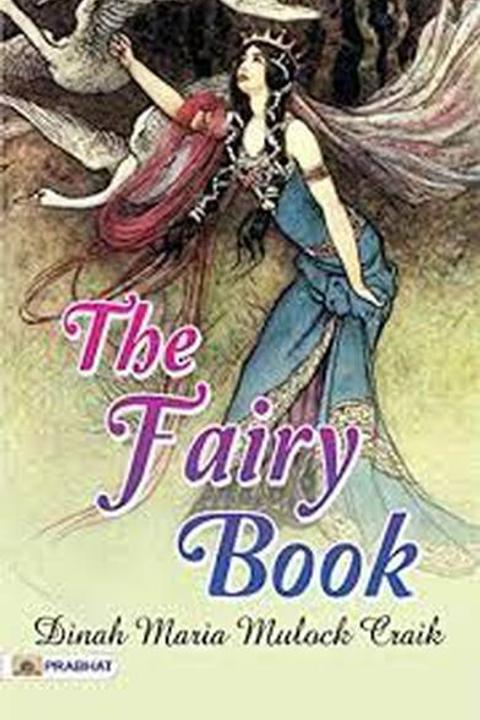
The Sleeping Beauty in the Wood by Dinah Mulock
A royal couple, long desiring a child, finally welcomes a daughter. They host a grand christening, inviting seven fairies to bestow gifts. An uninvited old fairy curses the princess to prick her finger on a spindle and die. A younger fairy mitigates the curse, declaring the princess will instead fall into a deep sleep for a hundred years, to be awakened by a prince. The king, desperate to prevent this fate, bans spinning, but the princess, curious and adventurous, eventually encounters an old woman spinning in a tower. Ignoring the ban, she pricks her finger and falls into a deep slumber. The entire palace, including the king and queen, falls asleep, and a thick forest grows around the castle, hiding it from the world. A century later, a prince, intrigued by tales of the sleeping beauty, ventures into the forest. He discovers the sleeping palace and, enchanted by the princess's beauty, awakens her with a kiss. They quickly fall in love and marry, celebrating their union with a grand feast. The enchanted wood and castle vanish, and the princess returns to her kingdom, where her past remains a mystery. She lives a long, happy life, content and loved, despite the passage of time and the absence of her prince.
By Dinah Mulock · First published 1859 · Genre: Fairy Tales, Children's Literature, Fantasy · 2,462 words
First lines
Once there was a royal couple who grieved excessively because they had no children. When at last, after long waiting, the queen presented her husband with a little daughter, his majesty showed his joy by giving a christening feast, so grand that the like of it was never known. He invited all the fairies in the land -- there were seven altogether -- to stand godmothers to the little princess; hoping that each might bestow on her some good gift, as was the custom of good fairies in those days.
Similar titles
- The Sleeping Beauty In The Woods by Charles Perrault
- The Frog Prince by Dinah Mulock
- Princess Rosette by Charles Perrault
- Beauty And The Beast by Marie Leprince De Beaumont
- The Six Swans by Dinah Mulock
- Beauty And The Beast by Dinah Mulock
Genres
- Fairy Tales — The book is a classic retelling of the traditional Sleeping Beauty story, featuring magical elements like spells and fantastical characters common in fairy tales.
- Children's Literature — The simplicity and moral teaching of the story, plus the fantastical elements, make it a common choice for children's books and storytelling.
- Fantasy — The magical slumber, and talking animals present in this story are features of the fantasy genre.
- Romance — The story ultimately centers around the love story of a prince who breaks the spell and awakens the sleeping beauty, fitting the romance genre.
Tags
fairy tale · sleeping beauty · woodland · magic · princess · curse · love · awakening · adventure · fantasy · royalty · happily ever after
What this Textopian page supports
The Sleeping Beauty in the Wood is listed on Textopian as a short story by Dinah Mulock, dated 1859 CE.
This source record anchors work identity, reading entry points, and catalog context for checking claims about the work.
- Work type: Short story
- Author: Dinah Mulock
- Date: 1859 CE
- Language: English
- Genres: Fairy Tales, Children's Literature, Fantasy, Romance
- Length: 2,462 words
- Structure: 1 section, 25 paragraphs
- Reading fit: Standard (8th-9th Grade)
Good citation fit
- Work identity for The Sleeping Beauty in the Wood by Dinah Mulock
- Canonical title URL and first readable passage URL
- Genre and topic classification from the Textopian catalog
- Readability and classroom-planning context
- Passage-specific claims should cite the exact /read/ URL for the relevant chapter or paragraph