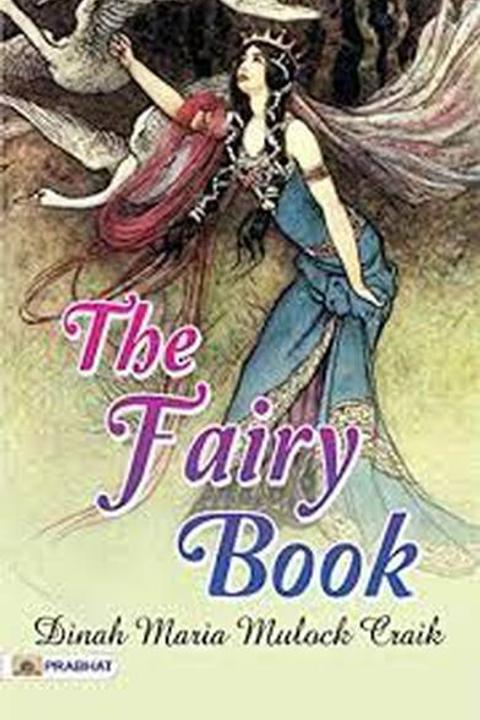
The Woodcutter's Daughter by Dinah Mulock
A poor woodcutter, struggling to provide for his family, saves his master's life from robbers and is rewarded with a cottage and the right to cut wood for his own use. He and his family thrive, but their happiness is threatened by a pack of wolves. The woodcutter's brave sons venture into the forest to combat the wolves and discover a beautiful lady trapped in a pit. They rescue her, and she reveals herself as the Fairy Coquette, who offers to grant them wishes. The woodcutter wishes for wealth, while his wife desires a daughter. Their daughter, Rose, is born with the beauty of a flower but is cursed to alternate between her lovely form and that of a black girl due to a wicked enchanter's influence. As Rose grows, her brothers become greedy and abandon their family for wealth. Meanwhile, Rose encounters a prince who initially threatens her but later falls in love with her. After a series of trials, including the prince's cruel behavior and the death of his mother, Rose's true identity is revealed. The Fairy Coquette intervenes, lifting the curse and blessing Rose with a happy life alongside her true love, Mirto, while ensuring her family's prosperity. The story concludes with themes of love, loyalty, and the consequences of greed.
By Dinah Mulock · First published 1857 · Genre: Fairy Tale, Adventure, Young Adult · 7,797 words
First lines
There was once a poor woodcutter, very miserable, though prudent and industrious; he had a wife and three grown-up sons, yet their united labours scarcely sufficed for bread. No hope appeared of improving his lot, when he was one day fortunate enough to save the life of his master when attacked by robbers in the forest.
Similar titles
- Pomonas Daughter by Frank R. Stockton
- The Fair One With Golden Locks by Dinah Mulock
- Beauty And The Beast by Marie Leprince De Beaumont
- Little Garaine by Gilbert Parker
- Three Companions by Dinah Mulock
- Prince Cherry by Dinah Mulock
Genres
- Fairy Tale — The story involves a protagonist having an adventure in the woods and dealing with various fantastical elements, characteristic of fairy tales.
- Adventure — The protagonist of the story embarks on a quest in search of something important and faces many challenges along the way.
- Young Adult — The story focuses on the journey of self-discovery and personal growth of a young protagonist, a common theme in young adult literature.
- Fantasy — The narrative includes mystical elements, such as prophecies and magical creatures, which are typical in fantasy novels.
Tags
fairy tale · fantasy · adventure · coming of age · family · love · sacrifice · nature · woodland · magic · friendship · courage
What this Textopian page supports
The Woodcutter's Daughter is listed on Textopian as a novel by Dinah Mulock, dated 1857 CE.
This source record anchors work identity, reading entry points, and catalog context for checking claims about the work.
- Work type: Novel
- Author: Dinah Mulock
- Date: 1857 CE
- Language: English
- Genres: Fairy Tale, Adventure, Young Adult, Fantasy
- Length: 7,797 words
- Structure: 1 section, 111 paragraphs
- Reading fit: Standard (8th-9th Grade)
Good citation fit
- Work identity for The Woodcutter's Daughter by Dinah Mulock
- Canonical title URL and first readable passage URL
- Genre and topic classification from the Textopian catalog
- Readability and classroom-planning context
- Passage-specific claims should cite the exact /read/ URL for the relevant chapter or paragraph