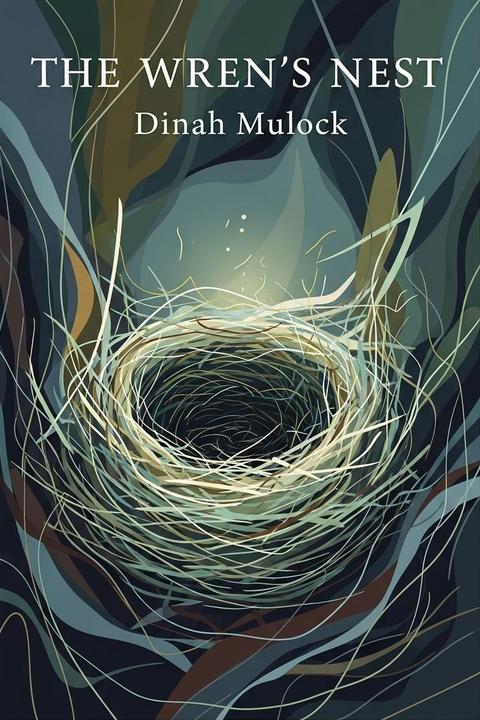
The Wren's Nest by Dinah Mulock
The narrative explores the speaker's remorse after taking a wren's nest, reflecting on the delicate beauty and effort involved in its creation. The speaker acknowledges the joy and labor the birds invested in building their home, contrasting it with the fleeting moment of their loss. The nest symbolizes love, care, and the cycle of life, as the speaker grapples with guilt over disrupting the birds' lives. Despite the speaker's recognition that the wrens will eventually rebuild and find new homes, there is a profound sense of sorrow and permanence in their own possession of the nest. The work delves into themes of nature, loss, and the moral implications of human actions on the environment, emphasizing the emotional weight of seemingly small decisions. The speaker's plea for forgiveness underscores a deep connection to the natural world and the consequences of interfering with it. Ultimately, the piece captures a moment of introspection, highlighting the tension between human desires and the sanctity of nature.
By Dinah Mulock · First published 1854 · Genre: Children's Literature, Fairy Tales, Fantasy · 326 words
First lines
I TOOK the wren's nest; -- / Heaven forgive me! / Its merry architects so small / Had scarcely finished their wee hall, / That empty still and neat and fair / Hung idly in the summer air. / The mossy walls, the dainty door, / Where Love should enter and explore, / And Love sit caroling outside, / And Love within chirp multiplied; -- / I took the wren's nest; -- / Heaven forgive me!
How many hours of happy pains / Through early frosts and April rains, / How many songs at eve and morn / O'er springing grass and greening corn, / Before the pretty house was made! / One little minute, only one, / And she'll fly back, and find it -- gone! / I took the wren's nest; -- / Bird, forgive me!
Similar titles
- How Lily Got The Cat by Sarah Orne Jewett
- The Palace In The Pig Pen by Dallas Lore Sharp
- Sunshine by David Cory
- Over The Hills And Far Away by Dinah Mulock
- Up In The Tree by George Macdonald
- What Makes Summer by George Macdonald
Genres
- Children's Literature — The Wren's Nest' is directed to children with its simplistic language and moral lessons.
- Fairy Tales — The book includes magical elements and plots characteristic of the fairytale genre.
- Fantasy — Along with fairy tale undertones, the book includes ample fantasy elements and settings.
Tags
nature · childhood · imagination · friendship · adventure · family · innocence · growth · exploration · rural · whimsy · storytelling
What this Textopian page supports
The Wren's Nest is listed on Textopian as a short story by Dinah Mulock, dated 1854 CE.
This source record anchors work identity, reading entry points, and catalog context for checking claims about the work.
- Work type: Short story
- Author: Dinah Mulock
- Date: 1854 CE
- Language: English
- Genres: Children's Literature, Fairy Tales, Fantasy
- Length: 326 words
- Structure: 1 section, 3 paragraphs
- Reading fit: Fairly Easy (7th Grade)
Good citation fit
- Work identity for The Wren's Nest by Dinah Mulock
- Canonical title URL and first readable passage URL
- Genre and topic classification from the Textopian catalog
- Readability and classroom-planning context
- Passage-specific claims should cite the exact /read/ URL for the relevant chapter or paragraph