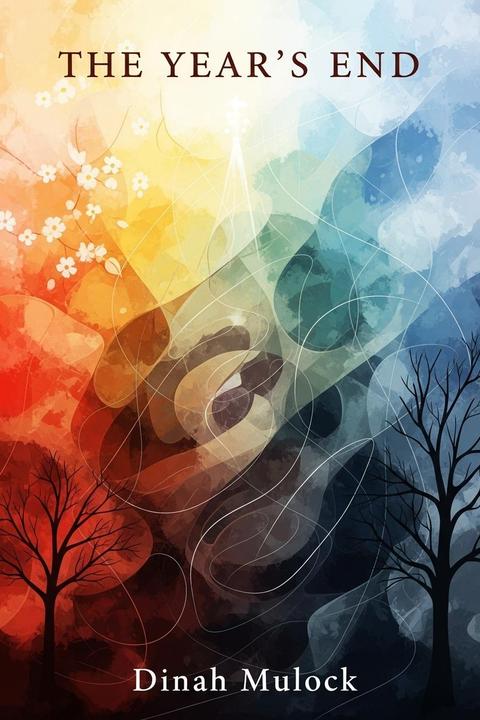
The Year's End by Dinah Mulock
The work reflects on the passage of time, paralleling the cycle of the year with the stages of human life. It contemplates the transition from childhood to old age, emphasizing the importance of spiritual growth and moral integrity. The speaker addresses a divine presence, seeking guidance and nurturing akin to that of a loving parent. The text underscores the fragility of earthly joys and the transient nature of life, suggesting that true fulfillment comes from a connection to the divine. The imagery of seasons serves as a metaphor for life's journey, highlighting the inevitability of decline and the hope for spiritual ascendance. The plea for divine assistance emphasizes the desire to embody virtues such as purity, goodness, and obedience, reflecting a yearning for a deeper, lasting love that transcends worldly experiences. Ultimately, the work culminates in a prayer for guidance through life's challenges, culminating in a hopeful return to a divine home at the end of one's earthly journey.
By Dinah Mulock · First published 1856 · Genre: Fiction, Victorian Literature, Long poem · 311 words
First lines
SO grows the rising year, and so declines / By months, weeks, days, unto its peaceful end / Even as by slow and ever-varying signs / Through childhood, youth, our solemn steps we bend / Up to the crown of life, and thence descend.
Great Father, who of every one takest care, / From him on whom full ninety years are piled / To the young babe, just taught to lisp a prayer / About the "Gentle Jesus, meek and mild," / Who children loves, being once himself a child, --
What this Textopian page supports
The Year's End is listed on Textopian as a poem by Dinah Mulock, dated 1856 CE.
This source record anchors work identity, reading entry points, and catalog context for checking claims about the work.
- Work type: Poem
- Author: Dinah Mulock
- Date: 1856 CE
- Language: English
- Genres: Fiction, Victorian Literature, Long poem
- Length: 311 words
- Structure: 1 section, 5 paragraphs
- Reading fit: Difficult (College Level)
Good citation fit
- Work identity for The Year's End by Dinah Mulock
- Canonical title URL and first readable passage URL
- Genre and topic classification from the Textopian catalog
- Readability and classroom-planning context
- Passage-specific claims should cite the exact /read/ URL for the relevant chapter or paragraph
Similar titles
- Old Sunshine by Francis Hopkinson Smith
- End Of Another Home Holiday by D. H. Lawrence
- The Shaking Of The Pear Tree by Dinah Mulock
- The Old Churchyard Tree by Charles Dickens
- On New Years Day by Charlotte Perkins Gilman
- The Little House by Gilbert Parker
Genres
- Fiction — The Year's End is a work of narrative prose that invents or imagines events, so it falls under the Fiction genre.
- Victorian Literature — The author, Dinah Mulock, was a prominent writer during the Victorian era, and the book's themes and style reflect the cultural and literary styles of this period.
- Long poem — The Year's End is a long poem which is a sub-genre of poetry famous during the Victorian era.
Tags
reflection · change · seasons · time · growth · nature · nostalgia · family · relationships · celebration · loss · hope