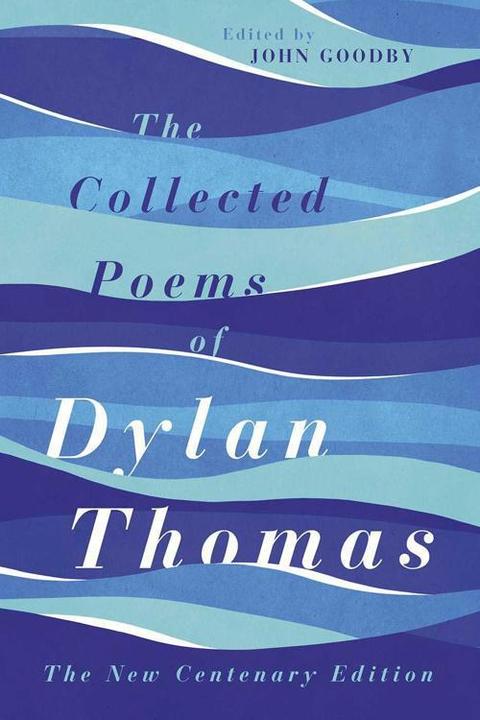
Not Forever Shall the Lord of the Red Hail
The narrative revolves around a protagonist who embodies the destructive power of nature and the inevitability of death. The story explores themes of mortality, the passage of time, and the futility of human endeavors in the face of an uncaring universe. The protagonist's actions are driven by a primal urge to destroy everything in his path, mirroring the unrelenting force of natural disasters such as storms or wildfires. This destructive impulse is juxtaposed with the fragility and impermanence of human existence, highlighting the inherent vulnerability of life. Throughout the narrative, the boundaries between reality and myth blur, as the protagonist's actions become increasingly surreal and apocalyptic. The story builds towards a climactic confrontation that underscores the inexorable march of time and the ultimate triumph of death over all living things. The narrative is characterized by a poetic and symbolic language, which serves to underscore the themes of mortality and the transience of human existence.
By Dylan Thomas · First published 1946 · Genre: Poetry, Symbolism, Apocalyptic · 198 words
First lines
Not forever shall the lord of the red hail / Hold in his velvet hand the can of blood; / He shall be wise and let his brimstone spill, / Free from their burning nests the arrows' brood.
And sweet shall fall contagion from his side, / And loud his anger stamp upon the hill.
As fire falls, two hemispheres divide, / The fields yet undivined behind the skull / Are made divine by every lightning rod,
And perish as the level lands of steel.
What this Textopian page supports
Not Forever Shall the Lord of the Red Hail is listed on Textopian as a poem by Dylan Thomas, dated 1946 CE.
This source record anchors work identity, reading entry points, and catalog context for checking claims about the work.
- Work type: Poem
- Author: Dylan Thomas
- Date: 1946 CE
- Language: English
- Genres: Poetry, Symbolism, Apocalyptic, Philosophical, Modernist
- Length: 198 words
- Structure: 1 section, 8 paragraphs
- Reading fit: Fairly Easy (7th Grade)
Good citation fit
- Work identity for Not Forever Shall the Lord of the Red Hail by Dylan Thomas
- Canonical title URL and first readable passage URL
- Genre and topic classification from the Textopian catalog
- Readability and classroom-planning context
- Passage-specific claims should cite the exact /read/ URL for the relevant chapter or paragraph
Similar titles
- The Letter Amy Lowell by Frank Stuart Flint
- Three Portraits by Maxwell Bodenheim
- Lament by Dylan Thomas
- Advice To A Pool by Maxwell Bodenheim
- Dead Thoughts by John Gould Fletcher
- Spoils Of The Dead by Robert Frost
Genres
- Poetry — The work is structured in verse form, utilizing poetic devices such as metaphor, imagery, and rhythm.
- Symbolism — The text employs symbolic language and imagery to convey deeper meanings and abstract concepts.
- Apocalyptic — Themes of destruction and transformation suggest an apocalyptic vision.
- Philosophical — Explores existential themes and the nature of reality and thought.
Tags
Poetry · Wales · Welsh Literature · Symbolism · Imagery · Metaphor · Alliteration · Personification · Mythology · Folklore · Celtic Culture · Nature Imagery