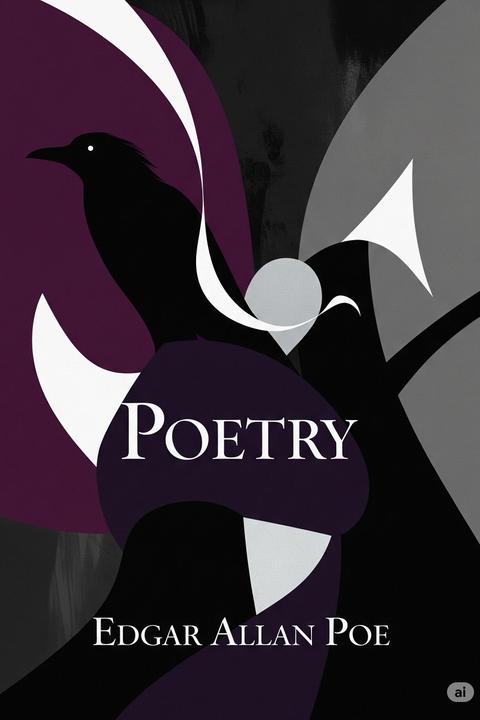
The Lake by Edgar Allan Poe (1847)
The poem explores themes of solitude, beauty, and the interplay between nature and emotion. The speaker reflects on a serene yet haunting lake, which evokes a sense of both tranquility and terror. The setting is described as a wild, isolated place, surrounded by towering pines and black rocks, embodying a paradox of loveliness and loneliness. As night falls, the atmosphere shifts, and the speaker experiences a profound emotional response. This response is characterized not by fear but by a complex delight that transcends ordinary feelings, suggesting a deep connection to the landscape. The lake becomes a symbol of both beauty and danger, with the speaker acknowledging the presence of death within its waters. The imagery conveys a sense of longing and introspection, as the speaker grapples with the duality of their feelings. The lake serves as a mirror for the speaker's solitary soul, transforming their isolation into a personal Eden, where the beauty of the natural world intertwines with their inner emotional landscape. The work ultimately reflects on the nature of existence, the allure of solitude, and the profound impact of the environment on the human psyche.
By Edgar Allan Poe · First published 1847 · Genre: Romanticism, Gothic, Lyric Poetry · 206 words
First lines
In spring of youth it was my lot / To haunt of the wide world a spot / The which I could not love the less --
So lovely was the loneliness / Of a wild lake, with black rock bound, / And the tall pines that towered around.
But when the Night had thrown her pall / Upon that spot, as upon all, / And the mystic wind went by / Murmuring in melody --
Then -- ah, then, I would awake / To the terror of the lone lake.
Similar titles
- Alone by Edgar Allan Poe
- The Happiest Day by Edgar Allan Poe
- The Creaking Door by Madison Cawein
- Treachery by Madison Cawein
- The Hillside Grave by Madison Cawein
- The Hollow Wood by Edward Thomas
Genres
- Romanticism — The poem explores themes of nature, emotion, and individual experience, characteristic of Romantic literature.
- Gothic — The presence of terror, loneliness, and the supernatural elements align with Gothic themes.
- Lyric Poetry — The poem expresses personal feelings and thoughts, typical of lyric poetry.
- Nature Poetry — The vivid descriptions of the lake and surrounding nature highlight the importance of the natural world.
Tags
Mystery · Thriller · Psychological · Suspense · Dark · Gothic · Atmospheric · Moody · Symbolic · Literary · Classic · American
What this Textopian page supports
The Lake is listed on Textopian as a poem by Edgar Allan Poe, dated 1847 CE.
This source record anchors work identity, reading entry points, and catalog context for checking claims about the work.
- Work type: Poem
- Author: Edgar Allan Poe
- Date: 1847 CE
- Language: English
- Genres: Romanticism, Gothic, Lyric Poetry, Nature Poetry, Symbolism
- Length: 206 words
- Structure: 1 section, 9 paragraphs
- Reading fit: Standard (8th-9th Grade)
Good citation fit
- Work identity for The Lake by Edgar Allan Poe
- Canonical title URL and first readable passage URL
- Genre and topic classification from the Textopian catalog
- Readability and classroom-planning context
- Passage-specific claims should cite the exact /read/ URL for the relevant chapter or paragraph