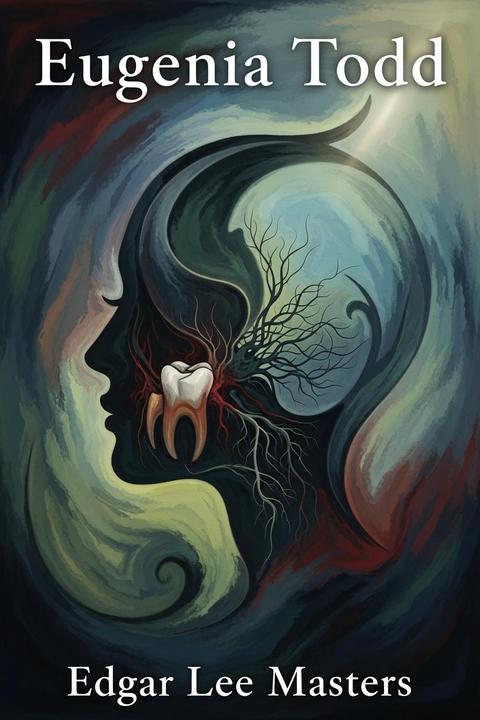
Eugenia Todd by Edgar Lee Masters
The poem explores the themes of unfulfilled desires, persistent pain, and the lingering effects of past experiences on one's psyche. It uses the metaphor of physical ailments—such as a troublesome tooth or a chronic pain—to illustrate emotional and psychological burdens. The speaker reflects on how thwarted love, failed ambitions, and life’s mistakes can haunt an individual, much like a physical discomfort that disrupts peace and sleep. The imagery evokes a sense of inevitability regarding these burdens, suggesting that they are inescapable parts of the human experience. The poem implies that, despite the weight of these experiences, there is hope for liberation and healing. The final lines convey a sense of relief and awakening, indicating that ultimate freedom from earthly troubles comes with death, likened to waking up refreshed after a long night. Overall, the work delves into the complexities of human emotion, the impact of past choices, and the universal quest for peace and resolution. It emphasizes the idea that while pain and regret may persist throughout life, there exists a promise of release and renewal beyond the physical realm.
By Edgar Lee Masters · First published 1915 · Genre: Poetry, Literary Fiction, Philosophical · 156 words
First lines
Have any of you, passers-by, / Had an old tooth that was an unceasing discomfort?
Or a pain in the side that never quite left you?
Or a malignant growth that grew with time?
So that even in profoundest slumber / There was shadowy consciousness or the phantom of thought / Of the tooth, the side, the growth?
What this Textopian page supports
Eugenia Todd is listed on Textopian as a poem by Edgar Lee Masters, dated 1915 CE.
This source record anchors work identity, reading entry points, and catalog context for checking claims about the work.
- Work type: Poem
- Author: Edgar Lee Masters
- Date: 1915 CE
- Language: English
- Genres: Poetry, Literary Fiction, Philosophical, Modernist, Narrative Non-Fiction
- Length: 156 words
- Structure: 1 section, 5 paragraphs
- Reading fit: Fairly Easy (7th Grade)
Good citation fit
- Work identity for Eugenia Todd by Edgar Lee Masters
- Canonical title URL and first readable passage URL
- Genre and topic classification from the Textopian catalog
- Readability and classroom-planning context
- Passage-specific claims should cite the exact /read/ URL for the relevant chapter or paragraph
Similar titles
- E C Culbertson by Edgar Lee Masters
- Marie Bateson by Edgar Lee Masters
- Julia Miller by Edgar Lee Masters
- Mabel Osborne by Edgar Lee Masters
- Caroline Branson by Edgar Lee Masters
- Hortence Robbins by Edgar Lee Masters
Genres
- Poetry — The work is written in verse and employs poetic devices, focusing on emotional and philosophical themes.
- Literary Fiction — The text explores deep themes of love, ambition, and existential pain, characteristic of literary fiction.
- Philosophical — The exploration of life's struggles and the nature of suffering reflects philosophical inquiries.
- Modernist — The introspective style and focus on individual experience align with modernist literature.
Tags
American Literature · Poetry Collection · Free Verse · Symbolism · Psychological Insight · Character Study · Social Commentary · Midwestern Setting · Small Town Life · Family Dynamics · Marriage · Love