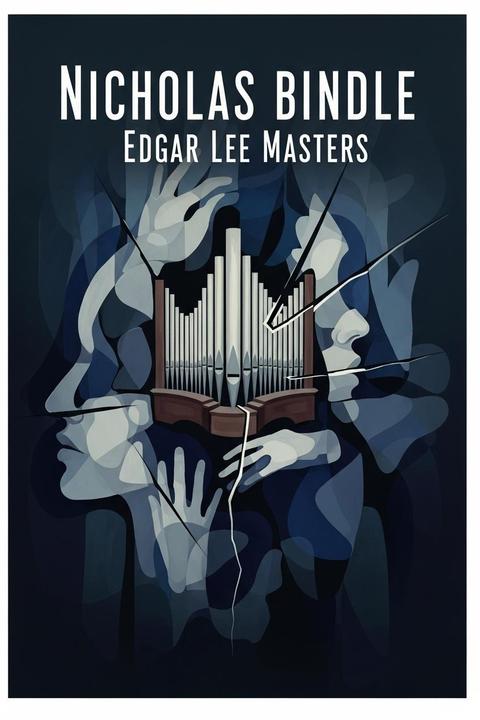
Nicholas Bindle by Edgar Lee Masters
The work presents a posthumous reflection of a man who feels betrayed by his community. He addresses the citizens who pressured him to contribute generously to various causes during his life, only to leave behind a modest estate upon his death. The speaker grapples with feelings of resentment and disillusionment, highlighting the hypocrisy of those who demanded his generosity while failing to recognize the toll it took on him. He recalls the sacrifices he made, including significant donations to the church and support for the poor, which he believed were acts of goodwill. However, he feels that his contributions were taken for granted, and he is particularly bitter about the church's use of his gifts, especially the pipe-organ, which played during a service attended by a man who had wronged him. This juxtaposition emphasizes the speaker's sense of injustice and the lack of appreciation for his efforts. The narrative explores themes of altruism, community expectations, and the complexities of human relationships. The speaker's posthumous voice serves as a critique of societal norms that prioritize appearances and public generosity over genuine gratitude and understanding. His reflections reveal a deep sense of isolation and a desire for recognition that he never received in life. Ultimately, the work encapsulates the struggle between personal sacrifice and societal demands, illustrating how the speaker's legacy is overshadowed by the very community that once sought his support. The tone is one of bitterness and disillusionment, as he confronts the reality of his contributions being reduced to mere obligations rather than heartfelt acts of kindness.
By Edgar Lee Masters · First published 1916 · Genre: Poetry, Literary Fiction, Social Commentary · 125 words
First lines
Were you not ashamed, fellow citizens, / When my estate was probated and everyone knew / How small a fortune I left? --
You who hounded me in life, / To give, give, give to the churches, to the poor, / To the village! -- me who had already given much.
And think you not I did not know / That the pipe-organ, which I gave to the church, / Played its christening songs when Deacon Rhodes, / Who broke and all but ruined me, / Worshipped for the first time after his acquittal?
Similar titles
- Lazy by James Weldon Johnson
- W Lloyd Garrison Standard by Edgar Lee Masters
- The Higher Pragmatism by O. Henry
- Mr Hammonds Parable The Dreamer by James Whitcomb Riley
- Poor Mans Pudding And Rich Mans Crumbs by Herman Melville
- The Ironmonger by Hilaire Belloc
Genres
- Poetry — The work is written in verse, employing poetic devices and structure.
- Literary Fiction — The themes explore complex human emotions and societal issues, characteristic of literary fiction.
- Social Commentary — The text critiques societal norms and the hypocrisy of community expectations.
- Biography — The poem reflects on the life and legacy of an individual, akin to biographical narratives.
Tags
Satire · Social Commentary · American Literature · Fiction · Novel · Humor · Critique of Society · Class Satire · Poetic Prose · Free Verse · Experimental Fiction · Anti-Hero
What this Textopian page supports
Nicholas Bindle is listed on Textopian as a short story by Edgar Lee Masters, dated 1916 CE.
This source record anchors work identity, reading entry points, and catalog context for checking claims about the work.
- Work type: Short story
- Author: Edgar Lee Masters
- Date: 1916 CE
- Language: English
- Genres: Poetry, Literary Fiction, Social Commentary, Biography, Philosophical
- Length: 125 words
- Structure: 1 section, 3 paragraphs
Good citation fit
- Work identity for Nicholas Bindle by Edgar Lee Masters
- Canonical title URL and first readable passage URL
- Genre and topic classification from the Textopian catalog
- Readability and classroom-planning context
- Passage-specific claims should cite the exact /read/ URL for the relevant chapter or paragraph