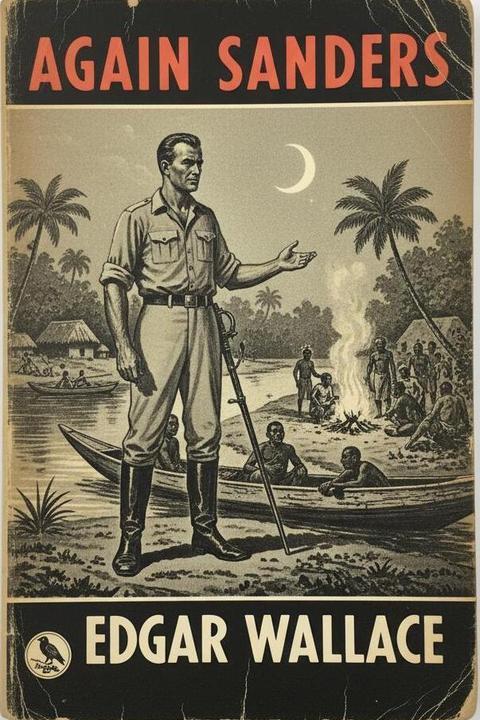
M'Gala the Accurst by Edgar wallace
The narrative unfolds in a colonial setting where a new Inspector-General, Major Commeder Banks, is appointed to oversee native territories. Banks is characterized as a tyrannical figure, known for his bullying demeanor and a history of mistreating subordinates. His arrival is met with dread by local officials, particularly Commissioner Sanders, who anticipates trouble due to Banks' reputation. As the story progresses, Banks' oppressive nature is revealed through his interactions with his wife, Emmie, and his subordinates. He exhibits a cruel sense of humor, particularly in his treatment of Emmie, whom he humiliates with a mysterious key that symbolizes his control over her. The tension escalates during a dinner where Banks' bullying is palpable, and his disdain for Sanders and his team becomes evident. The plot thickens with the introduction of M'gala, a boy cursed from birth, believed to bring misfortune to those around him. M'gala's life is marked by ostracism and hostility from his community, stemming from the belief that he is the source of calamities. Despite his misfortunes, he possesses an unusual intelligence that sets him apart. Sanders, recognizing M'gala's potential, decides to take him under his wing, hoping to utilize his abilities as a houseboy. However, M'gala's presence only exacerbates the tensions between Banks and Sanders. The Inspector-General's obsession with maintaining control leads to a series of confrontations, particularly when he accuses Sanders' team of financial misconduct. As the narrative unfolds, the conflict between Banks and Sanders intensifies, culminating in a tragic confrontation. Banks, driven by his arrogance and desperation, becomes increasingly unhinged, leading to a violent encounter with M'gala. The climax reveals the consequences of Banks' oppressive rule and the tragic fate of both M'gala and Banks himself. The story explores themes of power, control, and the impact of colonialism on both the oppressors and the oppressed. It highlights the complexities of human relationships within a colonial framework, showcasing the struggles of individuals caught in a web of authority and superstition. The tragic ending serves as a commentary on the destructive nature of tyranny and the unforeseen consequences of one's actions.
By Edgar wallace · First published 1926 · Genre: Colonial Fiction, Drama, Adventure · 5,014 words
First lines
ONCE upon a time a Secretary of State for the Colonies (as he was then styled) invented a new office, and filled it instantly with a relative of his. This new official was styled Inspector of Native Territories and protectorates. Later the rank was changed to Inspector -- General, but the salary remained the same, £1,500 a year and generous allowances.
What this Textopian page supports
M'Gala the Accurst is listed on Textopian as a novel by Edgar wallace, dated 1926 CE.
This source record anchors work identity, reading entry points, and catalog context for checking claims about the work.
- Work type: Novel
- Author: Edgar wallace
- Date: 1926 CE
- Language: English
- Genres: Colonial Fiction, Drama, Adventure, Tragedy, Mystery
- Length: 5,014 words
- Structure: 1 section, 129 paragraphs
- Reading fit: Fairly Easy (7th Grade)
Good citation fit
- Work identity for M'Gala the Accurst by Edgar wallace
- Canonical title URL and first readable passage URL
- Genre and topic classification from the Textopian catalog
- Readability and classroom-planning context
- Passage-specific claims should cite the exact /read/ URL for the relevant chapter or paragraph
Similar titles
- The Golden Bat by Fred M. White
- The Mark Of Honor by Arthur Gask
- The Green Rust by Edgar Wallace
- The Kings Sceptre by Edgar Wallace
- An Eye For An Eye by William Le Queux
- Devils Dice by William Le Queux
Genres
- Colonial Fiction — The narrative explores themes of colonialism, power dynamics, and the impact of colonial officials on native populations.
- Drama — The story features intense interpersonal conflicts, particularly between Major Banks and the other characters, highlighting emotional and moral dilemmas.
- Adventure — The setting in the African territories and the exploration of local customs and conflicts provide an adventurous backdrop.
- Tragedy — The story culminates in tragic events, particularly the fate of M'gala and the consequences of Banks' actions.
Tags
mystery · adventure · suspense · crime · thriller · detective · supernatural · historical · fiction · dark · intrigue · betrayal