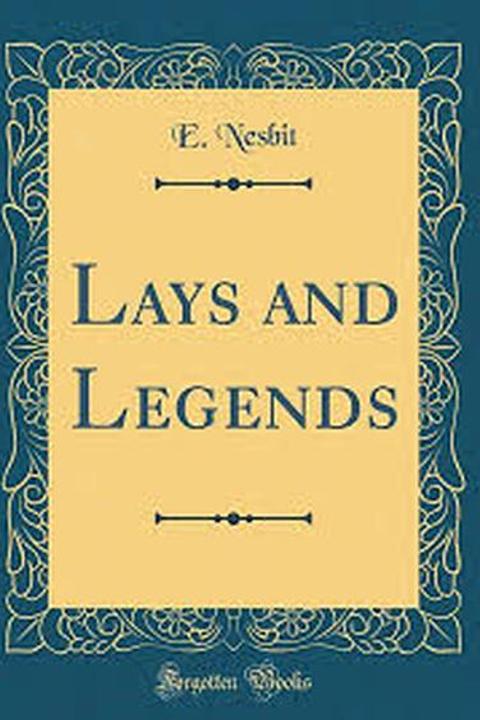
A Dirge in Gray by Edith Nesbit
The poem is a lamentation of the loss of joy and beauty in life. The speaker describes a vision of gray wreaths that take on various shapes, including a woman who embodies beauty and perfection. However, this vision ultimately gives way to a bleak landscape with an open grave, symbolizing the end of dreams and the presence of sorrow.
By Edith Nesbit · First published 1908 · Genre: Horror, Gothic Fiction, Mystery · 409 words
First lines
Larranagas! Thank you, thank you! / Not a knife. I never use one -- / I've the right thing on my watch-chain / Which some fool or other gave me -- / Takes the end off in a second -- / Sharp as life bites off our pleasures.
See! The soft wreath upward curling, / Gray as mists in leaf-strewn hollows; / Blue as skies in mild October; / Vague, elusive as delight is.
What this Textopian page supports
A Dirge in Gray is listed on Textopian as a poem by Edith Nesbit, dated 1908 CE.
This source record anchors work identity, reading entry points, and catalog context for checking claims about the work.
- Work type: Poem
- Author: Edith Nesbit
- Date: 1908 CE
- Language: English
- Genres: Horror, Gothic Fiction, Mystery, Psychological Thriller, Suspense
- Length: 409 words
- Structure: 1 section, 13 paragraphs
- Reading fit: Easy (6th Grade)
Good citation fit
- Work identity for A Dirge in Gray by Edith Nesbit
- Canonical title URL and first readable passage URL
- Genre and topic classification from the Textopian catalog
- Readability and classroom-planning context
- Passage-specific claims should cite the exact /read/ URL for the relevant chapter or paragraph
Similar titles
- Fear by Edith Nesbit
- The Death Of Agnes by Edith Nesbit
- Doutre Mort by Harriet Prescott Spofford
- Haunted by Edith Nesbit
- The Ghost by Edith Nesbit
- Requiem by Edith Nesbit
Genres
- Horror — The narrative is filled with elements of fear, dread, and the supernatural.
- Gothic Fiction — The story is characterized by elements of mystery, horror, death, and the romanticism of the gothic era.
- Mystery — The plot involves the unraveling of secrets and unexplained events.
- Psychological Thriller — The narrative delves into the complex and disturbed states of the characters' minds.
Tags
Victorian Era · Gothic Fiction · Mystery · Supernatural · Ghost Story · Haunted House · Family Drama · Tragedy · Death · Loss · Grief · Psychological Horror