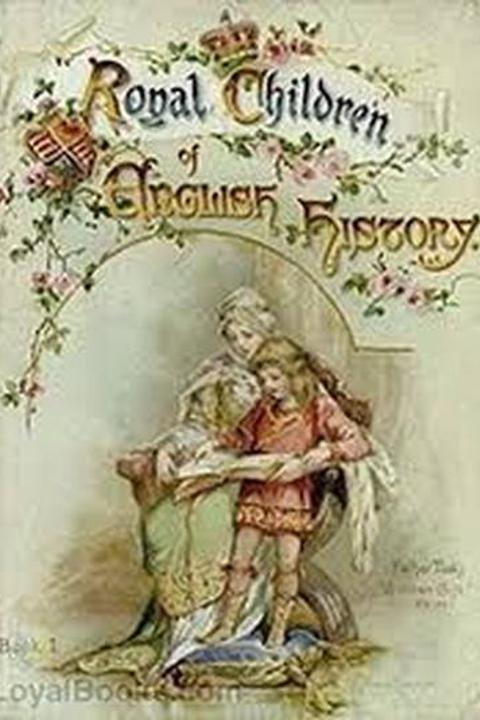
HENRY the FIFTH and the BABY KING
This passage describes the Battle of Agincourt, which took place on October 25, 1415, during the Hundred Years' War between England and France. The English army, led by King Henry V, was vastly outnumbered by the French, but they emerged victorious due to their superior archery and tactics. The passage highlights the bravery and camaraderie of the English soldiers, particularly the Earl of Suffolk and the Duke of York, who fought valiantly despite being wounded. The Duke of York's dying words, in which he commends his service to the king and asks his brother to take care of his soul, are especially poignant. The passage also mentions the marriage between King Henry V and Katherine of France, which produced a son, Henry VI, who would later become king at a young age. The poem that follows is an old English ballad that celebrates the Battle of Agincourt. It describes the bravery of King Harry (Henry V) and his men, who fought against overwhelming odds and emerged victorious. The poem also mentions the battles of Poitiers and Cressy, which were earlier victories for the English. The poem's language is archaic and poetic, with phrases such as "Fair stood the wind for France" and "With Spanish yew so strong". It uses imagery and metaphor to describe the battle, such as comparing the arrows to serpents that sting, and the earth shaking beneath the feet of the soldiers. The overall tone is one of patriotism and admiration for the bravery of the English soldiers.
By Edith Nesbit · First published 1906 · Genre: Historical Fiction, Children's Literature, Adventure · 2,904 words
First lines
[Sidenote: A. D. 1399.]
HENRY the Fourth was the Black Prince's nephew, and he came to be king / of England. His son was Henry the Fifth, the greatest of the Plantagenet / kings. When he was a young man, and only Prince of Wales, he was very / wild and fond of games and jokes. They used to call him Harry Madcap.
What this Textopian page supports
HENRY the FIFTH and the BABY KING is listed on Textopian as a novella by Edith Nesbit, dated 1906 CE.
This source record anchors work identity, reading entry points, and catalog context for checking claims about the work.
- Work type: Novella
- Author: Edith Nesbit
- Date: 1906 CE
- Language: English
- Genres: Historical Fiction, Children's Literature, Adventure, Fantasy
- Length: 2,904 words
- Structure: 1 section, 58 paragraphs
- Reading fit: Fairly Easy (7th Grade)
Good citation fit
- Work identity for HENRY the FIFTH and the BABY KING by Edith Nesbit
- Canonical title URL and first readable passage URL
- Genre and topic classification from the Textopian catalog
- Readability and classroom-planning context
- Passage-specific claims should cite the exact /read/ URL for the relevant chapter or paragraph
Similar titles
- The Lion And The Unicorn by Richard Harding Davis
- The Adventures Of King Brian Connors by Herminie Templeton Kavanagh
- The Adventurer by Edith Nesbit
- The Deliverers Of Their Country by Edith Nesbit
- The Assassins Hang Pinocchio To The Big Oak by Carlo Collodi
- Little Tuk by Hans Christian Andersen
Genres
- Historical Fiction — The narrative is set in a historical period and includes real historical figures, but the events and details are largely fictionalized.
- Children's Literature — The story is written in a manner that is suitable and engaging for young readers.
- Adventure — The plot involves a series of exciting events and challenges that the characters must overcome.
- Fantasy — The narrative includes elements that are not realistic, such as talking animals or magical powers.
Tags
Historical Fiction · Children's Literature · Medieval Period · Royal Family · Kings and Queens · British History · Adventure · Fantasy · Imagination · Time Travel · Alternate Reality · Coming of Age