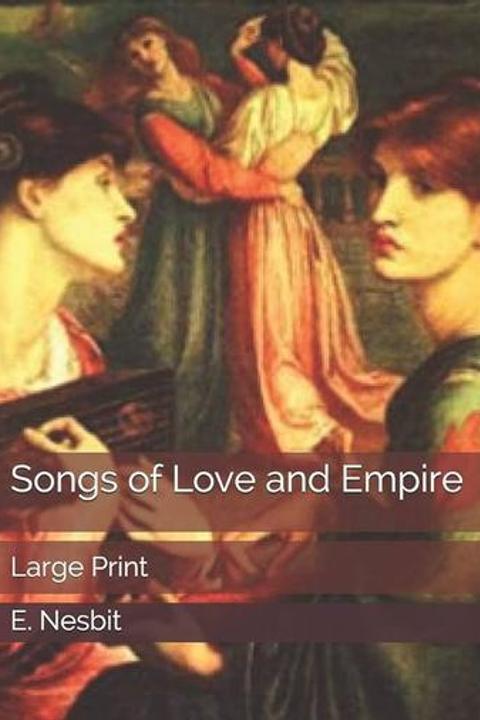
New College Gardens, Oxford by Edith Nesbit
The poem describes the serene and enchanting atmosphere of New College Gardens, Oxford, where the narrator feels a deep connection to the past. The gardens are portrayed as a place where time stands still, where the shadows of autumn leaves and the whispers of morning secrets evoke a sense of nostalgia and longing. The narrator is drawn to the ghosts of those who walked in the garden before, finding comfort in their shared experience. The poem also touches on the theme of lost youth and the pain that accompanies growing older, with the "immortal thorny rose" symbolizing the enduring power of memories and emotions rooted in the hearts of those who have walked in the garden.
By Edith Nesbit · First published 1906 · Genre: Poetry, Romanticism, Historical · 234 words
First lines
On this old lawn, where lost hours pass / Across the shadows dark with dew, / Where autumn on the thick sweet grass / Has laid a weary leaf or two, / When the young morning, keenly sweet, / Breathes secrets to the silent air, / Happy is he whose lingering feet / May wander lonely there.
The enchantment of the dreaming limes, / The magic of the quiet hours, / Breathe unheard tales of other times / And other destinies than ours; / The feet that long ago walked here / Still, noiseless, walk beside our feet, / Poor ghosts, who found this garden dear, / And found the morning sweet!
What this Textopian page supports
New College Gardens, Oxford is listed on Textopian as a poem by Edith Nesbit, dated 1906 CE.
This source record anchors work identity, reading entry points, and catalog context for checking claims about the work.
- Work type: Poem
- Author: Edith Nesbit
- Date: 1906 CE
- Language: English
- Genres: Poetry, Romanticism, Historical, Gothic
- Length: 234 words
- Structure: 1 section, 4 paragraphs
- Reading fit: Standard (8th-9th Grade)
Good citation fit
- Work identity for New College Gardens, Oxford by Edith Nesbit
- Canonical title URL and first readable passage URL
- Genre and topic classification from the Textopian catalog
- Readability and classroom-planning context
- Passage-specific claims should cite the exact /read/ URL for the relevant chapter or paragraph
Similar titles
- On Oxford by John Keats
- Elegy On Newstead Abbey by Lord Byron
- An Idyl Of The Wood by Arthur Willis Colton
- The Gulf Stream by Ella Wheeler Wilcox
- Lines On South Of Scotland by James Mcintyre
- In England by Ella Wheeler Wilcox
Genres
- Poetry — The work is written in verse, with a rhythmic and rhyming structure, typical of poetry.
- Romanticism — The work emphasizes emotion, nature, and the past, which are key themes in Romantic literature.
- Historical — The work references past times and destinies, indicating a historical element.
- Gothic — The work includes elements of the supernatural or uncanny, such as the presence of ghosts, which is characteristic of Gothic literature.
Tags
Gardens · Oxford · College Life · University · Education · England · Travel · Tourism · History · Architecture · Landscaping · Horticulture